


Dyed textiles and more
- Sort by
- Popularity
- Name
-
Seto-sometsuke ware Seto sometsuke yaki
- Ceramic
- Aichi
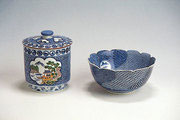
Seto Sometsuke ware (called Seto Sometsuke yaki in Japanese) is ceramic ware produced near the cities of Seto and Owariasahi in Aichi prefecture. The term sometsuke is normally used when designs are painted on porcelain with an indigo blue pigment…
View more
-
Tokyo textiles Tokyo tegaki yuzen
- Dyed textiles
- Tokyo

Tokyo Tegaki Yuzen are kimono textiles produced in Shinjuku Ward, Nerima Ward and Nakano Ward, Tokyo. Having been produced in the townsmen culture of Edo (current Tokyo), a refined stylishness is expressed in its soft, subdued colors. Unlike other…
View more
-
Kyo dyed textiles Kyo kanoko shibori
- Dyed textiles
- Kyoto
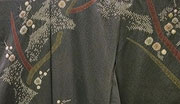
Kyo Kanoko Shibori is a dyed textile produced in Kyoto Prefecture. Shibori is one of the tie-dye techniques that create patterns by tying the textile before dyeing so that the tied parts remain white. This particular Shibori resembles fawn spots a…
View more
-
Nagoya kimono-dyeing Nagoya kuromontsuki zome
- Dyed textiles
- Aichi
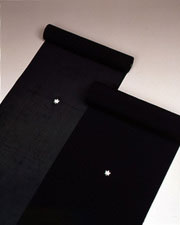
Nagoya Kuromontsuki Zome is a dyed and woven textile produced in the region surrounding Nagoya City, Aichi Prefecture. Kuromontsuki is a kimono worn at weddings or funerals and it has been popular since the Edo period (1603 - 1868) in Nagoya among…
View more
-
Kyo kimono-dyeing Kyo kuromontsuki zome
- Dyed textiles
- Kyoto
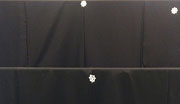
Kyo Kuromontsuki Zome is a dyed fabric produced in the areas including Kyoto city and Kameoka city in Kyoto prefecture. The characteristic of Kyo Kuromontsuki Zome is its high quality and graceful black color. The kimonos that are worn for funeral…
View more
-
Naniwa Honzome Hand Dyeing Naniwa honzome
- Dyed textiles
- Osaka
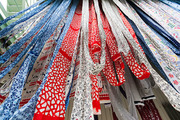
Naniwa Honzome Hand Dyeing is a traditional Japanese dyeing method, of which products are mainly produced in Sakai and Kashiwara, Osaka Prefecture. Osaka was a large producing center of Japanese hand towels called tenugui since the Edo period (160…
View more
-
Sado Mumyoi Ware Sado mumyoi yaki
- Ceramic
- Niigata

Mumyoi Ware is a pottery that has been passed down for generations in Sado, Niigata. Mumyoi is made of the minerals containing iron oxide found in the quartzites of the Sado Gold Mine. It is said to have been used as medicine for hemostasis and pa…
View more
-
Sanshu Onigawara Crafts Sanshu onigawara kogeihin
- Ceramic
- Aichi
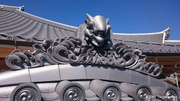
Sanshu Onigawara Crafts, called Sanshu Onigawara Kougeihin in Japanese, are a traditional craft mainly produced in Hekinan, Anjo and Takahama of Aichi Prefecture. The name "Sanshu" comes from the old name of this region in Aichi. The reg…
View more
-
Tokyo Honzome Chusen Tokyo Honzome Chusen
- Dyed textiles
- Tokyo
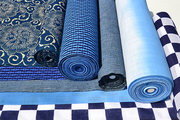
Chusen is a dyeing technique to pour dye onto the fabric. By pouring dye onto layers of fabric from the top and bottom, both sides of the fabric are dyed beautifully so that there is no difference between the back side and front side. Fabrics dyed…
View more
-
Tokyo Plain Dyeing Tokyo mujizome
- Dyed textiles
- Tokyo
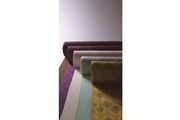
Tokyo Plain Dyeing, called Tokyo Mujizome in Japanese, is a plain dyed textile that started in the mid-Edo period by dyeing artisans as plain dyeing of Edo Murasaki(Edo Purple), indigo, safflower and Edo Cha(Edo Brown). The current main productio…
View more
