


Woven textiles and more
- Sort by
- Popularity
- Name
-
Shinshu tsumugi silk Shinshu tsumugi
- Woven textiles
- Nagano
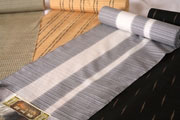
Shinshu tsumugi is a type of silk fabric also known as pongee and produced throughout Nagano prefecture. Each region in the prefecture has their own production styles and techniques. Also, the specific name of this fabric differs depending on the …
View more
-
Shuri brocade Shuri ori
- Woven textiles
- Okinawa

Shuri brocade (called Shuri ori in Japanese) is a woven fabric produced on the main island of Okinawa. There are two types of fabric, kasuri orimono and mon orimono, and these include hanaui, hanakura ori, doton ori, kasuri and minsa. The Ryukyu …
View more
-
Tama brocade Tama ori
- Woven textiles
- Tokyo
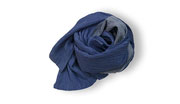
Tama brocade (called Tama ori in Japanese) is a woven silk fabric produced around Hachioji, Tokyo. Since ancient times, Tama ori has been well-known under the name of Hachioji woven fabric. The following five different types of woven fabric are …
View more
-
Yomitanzan-hanaori textiles Yomitanzan hanaori
- Woven textiles
- Okinawa
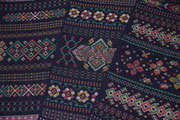
Yomitanzan hanaori is a textile produced in the village of Yomitan, Okinawa. The threads of this craft are first dyed before being woven in a geometric, flowerlike design. This craft is woven with silk or cotton threads dyed with plant-based dyes …
View more
-
Echu traditional Japanese paper Echu washi
- Traditional Japanese paper
- Toyama

Etchu washi is traditional Japanese paper made in Asahi, Yatsuo, and Taira in Toyama prefecture. Each production area makes their own type of washi which are called Gokayama washi, Yatsuo washi, and Birudan washi. This craft has slight regional va…
View more
-
Iga braided cords Iga kumihimo
- Other textiles
- Mie
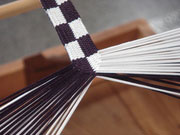
Iga Braided Cords, called Iga Kumihimo in Japanese, are made in Mie prefecture. Mainly silk threads are used, often in combination with gold and silver threads. This craft is known for rich silk threads, being dyed in a vibrant range of colors, an…
View more
-
Isesaki traditional resist-dyed textiles Isesaki kasuri
- Woven textiles
- Gunma
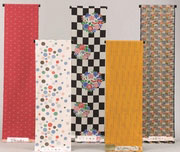
Isesaki Kasuri is a type of woven fabric produced in Isesaki, Gunma prefecture. Mainly used for kimono, this fabric has been admired for its texture since ancient times. Today, neckties and shop curtains called noren in Japanese are also produced.…
View more
-
Kyo embroidery Kyo nui
- Other textiles
- Kyoto
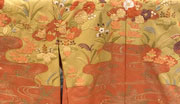
Kyo Embroidery (called Kyo-nui) is produced in Kyoto, Kyoto prefecture. This graceful craft reflects the elegance of Kyoto's culture and requires meticulous skill. Artisans of this craft pursue absolute perfection and freely use costly silk, …
View more
-
Uchiyama Japanese paper Uchiyama gami
- Traditional Japanese paper
- Nagano
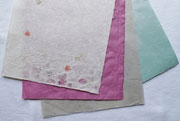
Uchiyama Gami is a type of traditional Japanese paper made in the Oku-shinano region of northern Nagano prefecture. As a region that gets heavy snowfall during the winter, papermaking production developed to provide supplementary income. This craf…
View more
-
Hachio island silk Honba kihachijo
- Woven textiles
- Tokyo
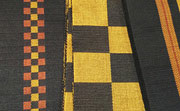
Honba Island Silk (called Honba Kihachijo in Japanese) is produced on Hachijojima Island in Tokyo. The name of this craft derives from a silk fabric with stripe and check patterns mainly dyed in bright yellow called kihachi. Patterns mainly dyed i…
View more
-
Kaga embroidery Kaga nui
- Other textiles
- Ishikawa
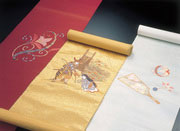
Kaga Embroidery (Kaga-nui in Japanese) is traditional embroidery produced in the city of Kanazawa, Ishikawa prefecture, using a variety of threads such as colorful silk threads, luxurious gold and silver threads, and lacquered threads. Kaga-nui is…
View more
-
Nibutani bark cloth Nibutani attoushi
- Woven textiles
- Hokkaido
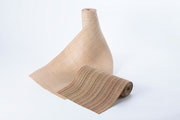
Nibutani Bark Cloth (called Nibutani-attushi in Japanese) is a bark fiber fabric produced in the region surrounding the the town of Biratori, Hokkaido. The term Nibutani originates from niputai which is an Ainu (indigenous people of north Japan) l…
View more
-
Uetsu tilia bark cloth Uetsu shinafu
- Woven textiles
- Yamagata
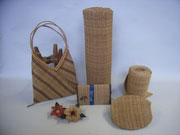
Uetsu Shinafu is a textile produced in the area of Sekikawa, Tsuruoka, Yamagata prefecture, and Sanpoku, Murakami, Niigata prefecture. The names of the neighboring prefectures of Yamagata (Uzen) and Niigata (Echigo) are combined and called Uetsu, …
View more
-
Awa-shijira cotton cloth Awa shoai shijira ori
- Woven textiles
- Tokushima

Awa Shoai Shijira Ori is a cotton textile produced in Tokushima City, Tokushima Prefecture. Shijira Ori had been produced in Awa since the 18th century, and the Shijira Ori dyed with Awa indigo was referred to as Awa Shoai Shijira Ori. It was desi…
View more
-
Kijoka banana fiber cloth Kijoka no bashofu
- Woven textiles
- Okinawa
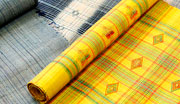
Kijoka no Bashofu are a woven cloth produced in Kijoka, Ogimi Village in northern Okinawa. Bashofu is made from the fibers of the Japanese banana plant called Basho, and has been used to make kimonos in Okinawa since ancient times. Kijoka no Basho…
View more
-
Tokamachi traditional resist-dyed textiles Tokamachi gasuri
- Woven textiles
- Niigata
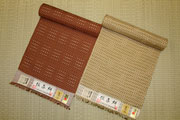
Tokamachi Gasuri is a fabric produced in Tokamachi City and around Tsunanmachi in Nakauonuma, Niigata Prefecture. This area has heavy snow in the winter and is in a basin, so the climate and geographical features are all suitable for fabric produc…
View more
-
Tokamachi akashi chijimi textiles Tokamachi akashi chijimi
- Woven textiles
- Niigata
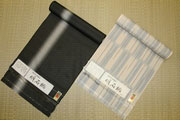
Tokamachi Akashi Chijimi is a textile produced in the area surrounding Tokamachi City in Niigata Prefecture. This is a very delicate and thin textile that requires the high-level techniques and precision of experienced craftsmen. An experimental t…
View more
-
Yonaguni brocade Yonaguni ori
- Woven textiles
- Okinawa
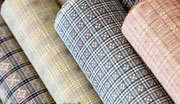
Yonaguni Brocade, called Yonaguni Ori in Japanese, is a textile produced in Yonaguni-cho, Yaeyama Gun, Okinawa Prefecture. The characteristic of Yonaguni Ori is the simple beauty of the textile that is dyed and woven by hand in the distinctive cli…
View more
-
Yuntanza minsa Yomitanzan minsa
- Woven textiles
- Okinawa
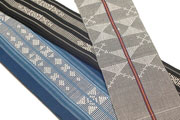
Yuntanza Minsa is a textile produced in the region around Yomitanson, Nakagami-gun, Okinawa prefecture. Min means "cotton" and sa means "narrow belt". Narrow belts were made in various regions in Okinawa from ancient times. Bas…
View more
-
Flower pattern textiles Haebaru hanaori
- Woven textiles
- Okinawa
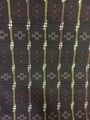
Haebaru flower patterned textiles called Haebaru Hanaori in Japanese, are made in the city of Haebaru in the Okinawa Prefecture. Plants harvested in the prefecture such as garcinia or Assam indigo are used to dye the yarns. Haebaru Hanaori can be …
View more
-
Gyoda Tabi Socks Gyoda tabi
- Other textiles
- Saitama

Gyoda Tabi Socks, known as Gyoda Tabi in Japanese, are produced in Gyoda, Saitama Prefecture, which is the largest production center of tabi socks in Japan. Gyoda is surrounded by two large rivers, Tonegawa River and Arakawa River, and has an abun…
View more
-
Oku-Aizu Showa Karamushi Textiles Okuaizu showa karamushi ori
- Woven textiles
- Fukushima
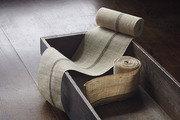
Oku-Aizu Showa Karamushi Textiles (Oku-Aizu Karamushi Ori in Japanese) are a textile fabric produced in Showa Village of Ohnuma, Fukushima Prefecture. It is made from ramie, which is an urticaceous plant also known as China grass. Fine hemp cloth …
View more
