


Akita and more
- Sort by
- Popularity
- Name
-
Kyo Buddhist altar Kyo butsudan
- Household Buddhist altars
- Kyoto

Kyo Buddhist Altars (called Kyo Butsudan in Japanese) are produced in the cities of Kyoto and Kameoka in Kyoto. Most Kyo Buddhist Altars are made for temples instead of households. They are professionally handcrafted by a number of respective expe…
View more
-
Kyo embroidery Kyo nui
- Other textiles
- Kyoto
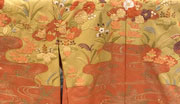
Kyo Embroidery (called Kyo-nui) is produced in Kyoto, Kyoto prefecture. This graceful craft reflects the elegance of Kyoto's culture and requires meticulous skill. Artisans of this craft pursue absolute perfection and freely use costly silk, …
View more
-
Murakami carved lacquerware Murakami kibori tsuishu
- Lacquerware
- Niigata
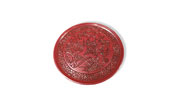
Murakami Carved Lacquerware (called Murakami Kibori Tsuishu in Japanese) is produced in the area around Murakami, Niigata prefecture. The region, which was formerly the Murakami domain, has been famous for its production of natural lacquer since t…
View more
-
Tsubame-tsuiki copperware Tsubame tsuiki doki
- Metal works
- Niigata
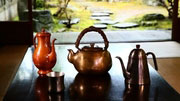
Tsubame-tsuiki Copperware (called Tsubame Tsuiki Douki in Japanese) is a type of metalware made on the outskirts of Tsubame, Niigata prefecture. Since the middle of the Edo period (1603-1868), kettles and other crafts have been produced from coppe…
View more
-
Kaga embroidery Kaga nui
- Other textiles
- Ishikawa
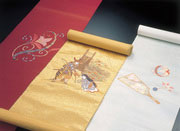
Kaga Embroidery (Kaga-nui in Japanese) is traditional embroidery produced in the city of Kanazawa, Ishikawa prefecture, using a variety of threads such as colorful silk threads, luxurious gold and silver threads, and lacquered threads. Kaga-nui is…
View more
-
Kyo art preservation Kyo hyogu
- Other crafts
- Kyoto
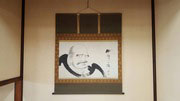
Kyoto Art Mountings, called Kyo Hyogu in Japanese,are mountings done in Kyoto prefecture. Hyogu or hyoso is a traditional technique to strengthen and preserve calligraphy works, paintings and the like with paper or cloth and adding decorations to …
View more
-
Okuaizu Basketry Oku aizu amikumi zaiku
- Wood, bamboo crafts
- Fukushima
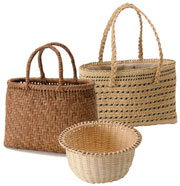
Okuaizu Basketry, called Okuaizu Amikumi Zaiku in Japanese, is basketry produced around Mishima Town, Onuma County, Fukushima Prefecture. As this mountainous area in the Okuaizu region has much snow and farmers are unable to work in the fields in …
View more
-
Kyo Buddhist altar equipment Kyo butsugu
- Household Buddhist altars
- Kyoto
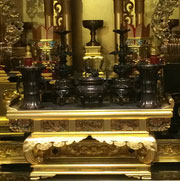
Kyo Butsugu are Buddhist altars and altar fittings made in Kyoto. Studded with temples of various sects, Kyoto has always prospered as the center of Buddhism, inevitably leading to increasing demand for altar fittings for memorial services. 80% of…
View more
-
Akita cedar tubs and barrels Akita sugi oke taru
- Wood, bamboo crafts
- Akita
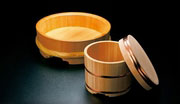
Akita-sugi Oke Taru are handmade Akita cedar tubs and barrels produced from locally grown cedar timber in the cities of Odate and Noshiro of Akita Prefecture since around the late Heian period (11th century). Products made of straight grain wood w…
View more
-
Echigo-sanjo cutlery Echigo sanjo uchihamono
- Metal works
- Niigata
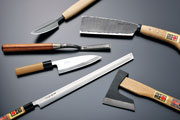
Echigo-Sanjo Uchihamono are hammer-forged blades produced in Sanjo City, Niigata prefecture. Unlike modern blades made using the stamp pressing and polishing techniques developed after the second world war, these blades are produced by hand-hammer…
View more
-
Nanao Buddhist altar Nanao butsudan
- Household Buddhist altars
- Ishikawa
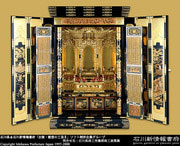
Nanao Buddhist Altars called Nanao Butsudan in Japanese, are Buddhist altars produced in Nanao City, Ishikawa Prefecture. As part of the Hokuriku region where the Buddhist sect Jodo Shinshu became widely spread long ago, Ishikawa is home to many w…
View more
-
Tokamachi traditional resist-dyed textiles Tokamachi gasuri
- Woven textiles
- Niigata
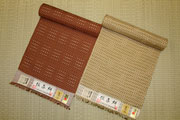
Tokamachi Gasuri is a fabric produced in Tokamachi City and around Tsunanmachi in Nakauonuma, Niigata Prefecture. This area has heavy snow in the winter and is in a basin, so the climate and geographical features are all suitable for fabric produc…
View more
-
Kyo dyed textiles Kyo kanoko shibori
- Dyed textiles
- Kyoto
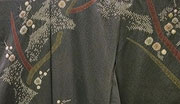
Kyo Kanoko Shibori is a dyed textile produced in Kyoto Prefecture. Shibori is one of the tie-dye techniques that create patterns by tying the textile before dyeing so that the tied parts remain white. This particular Shibori resembles fawn spots a…
View more
-
Kyo-ishi craft Kyo ishi kogeihin
- Stonework
- Kyoto
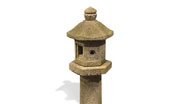
Kyo-ishi Craft called Kyo-ishi Kougeihin in Japanese, are stonework and gem carvings produced in and around the cities of Kyoto and Uji, in the Kyoto prefecture. Abounding in quality granite from the village of Kitashirakawa at the foot of Mt. Hi…
View more
-
Nagaoka Buddhist altar Nagaoka butsudan
- Household Buddhist altars
- Niigata
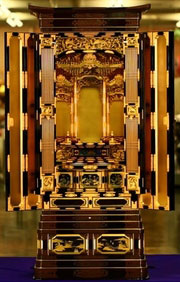
Nagaoka Butsudan are Buddhist altars and altar fittings produced in and around Nagaoka City, Niigata Prefecture. Using traditional techniques that were developed in the 17th century, they are also actively producing innovative designs that suit a …
View more
-
Tokamachi akashi chijimi textiles Tokamachi akashi chijimi
- Woven textiles
- Niigata
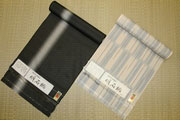
Tokamachi Akashi Chijimi is a textile produced in the area surrounding Tokamachi City in Niigata Prefecture. This is a very delicate and thin textile that requires the high-level techniques and precision of experienced craftsmen. An experimental t…
View more
-
Echigo-yoita cutlery Echigo yoita uchihamono
- Metal works
- Niigata
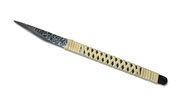
Echigo Yoita Uchihamono are blades produced for a variety of tools in the Yoita area of Nagaoka City, Niigata Prefecture. They are smith forged, meaning red-hot metal is beaten to shape, and are distinguished by their refined sharp cutting edge an…
View more
-
Kyo kimono-dyeing Kyo kuromontsuki zome
- Dyed textiles
- Kyoto

Kyo Kuromontsuki Zome is a dyed fabric produced in the areas including Kyoto city and Kameoka city in Kyoto prefecture. The characteristic of Kyo Kuromontsuki Zome is its high quality and graceful black color. The kimonos that are worn for funeral…
View more
-
Sanjo Buddhist altar Sanjo butsudan
- Household Buddhist altars
- Niigata
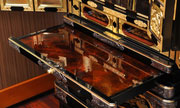
Sanjo Butsudan are Buddhist altars made in the Sanjo area, Niigata prefecture. They are golden altars with well-established characteristics of elegance and dignity. Sanjo Butsudan is characterized by the orthodox design of an inner sanctuary, qual…
View more
-
Niigata-shirone Buddhist altar Niigata shirone butsudan
- Household Buddhist altars
- Niigata
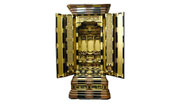
Niigata Shirone Butsudan are Buddhist altars which are mainly made in Niigata city, Niigata prefecture. Japanese cypress, zelkova, Japanese cherry, Japanese white pine and pine are usually used for the altar base. Niigata Shirone Butsudan is chara…
View more
-
Oku-Aizu Showa Karamushi Textiles Okuaizu showa karamushi ori
- Woven textiles
- Fukushima
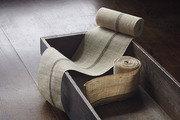
Oku-Aizu Showa Karamushi Textiles (Oku-Aizu Karamushi Ori in Japanese) are a textile fabric produced in Showa Village of Ohnuma, Fukushima Prefecture. It is made from ramie, which is an urticaceous plant also known as China grass. Fine hemp cloth …
View more
-
Sado Mumyoi Ware Sado mumyoi yaki
- Ceramic
- Niigata

Mumyoi Ware is a pottery that has been passed down for generations in Sado, Niigata. Mumyoi is made of the minerals containing iron oxide found in the quartzites of the Sado Gold Mine. It is said to have been used as medicine for hemostasis and pa…
View more
