


Dyed textiles and more
- Sort by
- Popularity
- Name
-
Ryukyu traditional textiles Ryukyu bingata
- Dyed textiles
- Okinawa
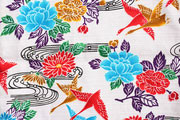
Ryukyu Bingata is a dyed and woven textile produced around Shuri, Okinawa prefecture. Its origin goes back to the 14th to 15th century. The ladies of the royal family or the families of the warrior class wore Ryukyu Bingata. There are two kinds of…
View more
-
Banshu fly-fishing flies Banshu kebari
- Other crafts
- Hyogo
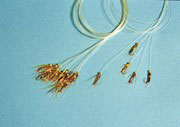
Banshu Kebari are fishing flies used as artificial-bait hooks for fishing, produced in Nishiwaki City, Hyogo Prefecture. They are characterized by their exquisitely fine workmanship; bird feathers wound with silk thread around a small 1cm hook, ad…
View more
-
Kyo Buddhist altar equipment Kyo butsugu
- Household Buddhist altars
- Kyoto
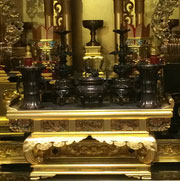
Kyo Butsugu are Buddhist altars and altar fittings made in Kyoto. Studded with temples of various sects, Kyoto has always prospered as the center of Buddhism, inevitably leading to increasing demand for altar fittings for memorial services. 80% of…
View more
-
Woodblock prints Edo mokuhanga
- Other crafts
- Tokyo
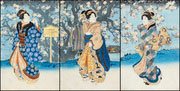
Techniques for woodblock prints were developed and refined during the Edo period (1603-1868), and Edo Woodblock Prints called Edo Mokuhanga in Japanese, contributed to spreading beautiful printed art forms such as ukiyoe (a genre of Japanese art).…
View more
-
Nanao Buddhist altar Nanao butsudan
- Household Buddhist altars
- Ishikawa
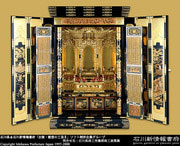
Nanao Buddhist Altars called Nanao Butsudan in Japanese, are Buddhist altars produced in Nanao City, Ishikawa Prefecture. As part of the Hokuriku region where the Buddhist sect Jodo Shinshu became widely spread long ago, Ishikawa is home to many w…
View more
-
Tokyo textiles Tokyo tegaki yuzen
- Dyed textiles
- Tokyo

Tokyo Tegaki Yuzen are kimono textiles produced in Shinjuku Ward, Nerima Ward and Nakano Ward, Tokyo. Having been produced in the townsmen culture of Edo (current Tokyo), a refined stylishness is expressed in its soft, subdued colors. Unlike other…
View more
-
Yamagata Buddhist altar Yamagata butsudan
- Household Buddhist altars
- Yamagata
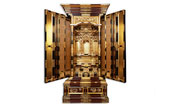
Yamagata Butsudan are Buddhist altars mainly made in Yamagata City, Tendo City, Obanazawa City, and Sakata City, Yamagata Prefecture, which distinguishes the prefecture as the largest center of altar production in the Tohoku region. Kichibei HOSHI…
View more
-
Yame-fukushima Buddhist altar Yame fukushima butsudan
- Household Buddhist altars
- Fukuoka
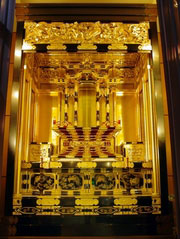
Yame Fukushima Butsudan are Buddhist altars made in Yame City (former Fukushima Town), Fukushima Prefecture. Dotted with many temples, the Yame region had been a place where there were many devout Buddhists since ancient times, which supported the…
View more
-
Kyo dyed textiles Kyo kanoko shibori
- Dyed textiles
- Kyoto
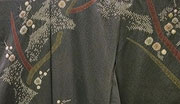
Kyo Kanoko Shibori is a dyed textile produced in Kyoto Prefecture. Shibori is one of the tie-dye techniques that create patterns by tying the textile before dyeing so that the tied parts remain white. This particular Shibori resembles fawn spots a…
View more
-
Nagaoka Buddhist altar Nagaoka butsudan
- Household Buddhist altars
- Niigata
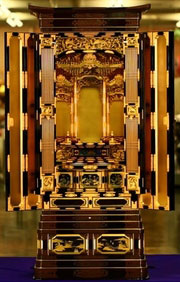
Nagaoka Butsudan are Buddhist altars and altar fittings produced in and around Nagaoka City, Niigata Prefecture. Using traditional techniques that were developed in the 17th century, they are also actively producing innovative designs that suit a …
View more
-
Nagoya kimono-dyeing Nagoya kuromontsuki zome
- Dyed textiles
- Aichi
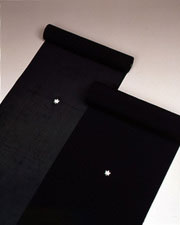
Nagoya Kuromontsuki Zome is a dyed and woven textile produced in the region surrounding Nagoya City, Aichi Prefecture. Kuromontsuki is a kimono worn at weddings or funerals and it has been popular since the Edo period (1603 - 1868) in Nagoya among…
View more
-
Koshu hand-carved seals Koshu tebori insho
- Other crafts
- Yamanashi
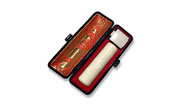
Koshu Tebori Insho are hand-engraved personal signature stamps produced in Kofu City and Fujiyoshida City of Yamanashi Prefecture. Bringing together all of Yamanashi’s engravers, dealers, and material producers, this local industry is unlike those…
View more
-
Kyo kimono-dyeing Kyo kuromontsuki zome
- Dyed textiles
- Kyoto
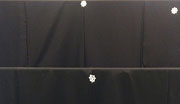
Kyo Kuromontsuki Zome is a dyed fabric produced in the areas including Kyoto city and Kameoka city in Kyoto prefecture. The characteristic of Kyo Kuromontsuki Zome is its high quality and graceful black color. The kimonos that are worn for funeral…
View more
-
Sanjo Buddhist altar Sanjo butsudan
- Household Buddhist altars
- Niigata
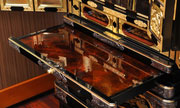
Sanjo Butsudan are Buddhist altars made in the Sanjo area, Niigata prefecture. They are golden altars with well-established characteristics of elegance and dignity. Sanjo Butsudan is characterized by the orthodox design of an inner sanctuary, qual…
View more
-
Edo Hyogu (Art Mountings) Edo Hyogu
- Other crafts
- Tokyo
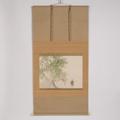
Hyougu (art mountings) are used to set up calligraphic works and paintings into hanging scrolls, picture frames, and folding screens etc. for display and preservation. There are various types of art mountings such as hanging scrolls and scrolls, f…
View more
-
Edo tortoise shell crafts Edo bekko
- Other crafts
- Tokyo
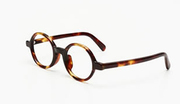
Edo Bekko are fashion accessories and ornaments made from hawksbill turtle shells, produced in Bunkyo Ward, Taito Ward and Sumida Ward, Tokyo. Production of this craft started in the early Edo period. Edo Bekko is characterized by its unique sheen…
View more
-
Etchu Fukuoka Sedge Hats Etchu Fukuoka no suge gasa
- Other crafts
- Toyama
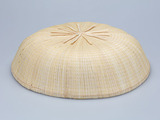
Etchu Fukuoka no suge gasa, Etchu Fukuoka Sedge Hats, are a traditional craft produced in Takaoka, Tonami, Oyabe, and Nanto of Toyama prefecture. The sedges produced in Fukuoka, Toyama are top quality as they survive the severe winters of the Hok…
View more
-
Gifu Japanese Umbrellas Gifu Wagasa
- Other crafts
- Gifu
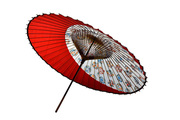
Japanese umbrellas are not only used on rainy days or as parasols, but there are also umbrellas used for dancing and larger parasols called nodategasa used for outdoor tea ceremonies. They become very slim and delicate when they are closed, and t…
View more
-
Izumi Glass Izumi garasu
- Other crafts
- Osaka
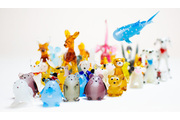
Izumi glass is known for its manufacturing method, lamp work where the glass is formed using a kerosene lamp (burner). Soft glass with a low melting point is used and the glass rods are melted by hand using the kerosene lamp. As the soft glass ena…
View more
-
Nagasaki tortoise shell crafts Nagasaki bekkou
- Other crafts
- Nagasaki
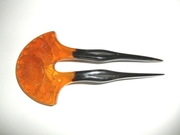
Nagasaki tortoise shell crafts called Nagasaki Bekko in Japanese, are mostly produced in the city of Nagasaki or Isahaya in the Nagasaki prefecture. The shells used come from a type of sea turtle living around the Equator called Hawksbill turtle. …
View more
-
Nagoya Sekku Kazari Nagoya Sekku Kazari
- Other crafts
- Aichi
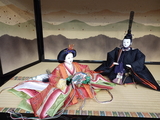
Nagoya Sekku Kazari (festival dolls and decorations) are decorations that are essential for festivals to celebrate the birth of a child and wish for the child's healthy growth. The Sekku Kazari consist of three crafts; dolls, celebratory fla…
View more
-
Naniwa Honzome Hand Dyeing Naniwa honzome
- Dyed textiles
- Osaka
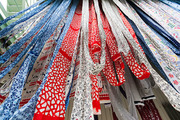
Naniwa Honzome Hand Dyeing is a traditional Japanese dyeing method, of which products are mainly produced in Sakai and Kashiwara, Osaka Prefecture. Osaka was a large producing center of Japanese hand towels called tenugui since the Edo period (160…
View more
-
Niigata-shirone Buddhist altar Niigata shirone butsudan
- Household Buddhist altars
- Niigata
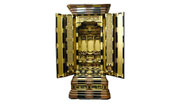
Niigata Shirone Butsudan are Buddhist altars which are mainly made in Niigata city, Niigata prefecture. Japanese cypress, zelkova, Japanese cherry, Japanese white pine and pine are usually used for the altar base. Niigata Shirone Butsudan is chara…
View more
-
Owari Buddhist altar equipment Owari butsugu
- Household Buddhist altars
- Aichi

Owari Buddhist altar equipment is made in Nagoya and neighboring cities in Aichi prefecture called the Owari suburbs. Owari Buddhist altar equipment was first founded as a religious craft by the missionaries of the forefather of the Jodo-shinshu s…
View more
-
Sanshin Sanshin
- Other crafts
- Okinawa
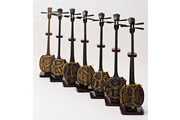
Sanshin is a musical instrument produced around Naha of Okinawa prefecture. It is used for Kumiodori, which is a theatrical art listed on the UNESCO's Representative List of the Intangible Cultural Heritage of Humanity, Ryukyu opera, Okinawa&…
View more
-
Tokyo Hand-carved Seals Tokyo teboriinsho
- Other crafts
- Tokyo
The whole process of manufacturing Tokyo Hand-carved Seals, from the letter design, adjusting the stamp face, lettering, rough carving, to the finishing touches, are done by hand. Although different techniques are required for each process, one ar…
View more
-
Tokyo Honzome Chusen Tokyo Honzome Chusen
- Dyed textiles
- Tokyo
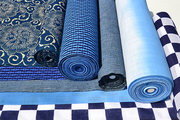
Chusen is a dyeing technique to pour dye onto the fabric. By pouring dye onto layers of fabric from the top and bottom, both sides of the fabric are dyed beautifully so that there is no difference between the back side and front side. Fabrics dyed…
View more
-
Tokyo Koto (Japanese Harp) Tokyo Koto
- Other crafts
- Tokyo
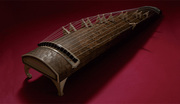
The koto was introduced from China as an instrument for court music. Then around the 16th century, the Tsukushi Goto was made in Japan which became the base of the Japanese koto today. The koto was known familiarly as part of the Kyoto culture, b…
View more
-
Tokyo Plain Dyeing Tokyo mujizome
- Dyed textiles
- Tokyo
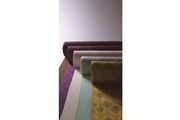
Tokyo Plain Dyeing, called Tokyo Mujizome in Japanese, is a plain dyed textile that started in the mid-Edo period by dyeing artisans as plain dyeing of Edo Murasaki(Edo Purple), indigo, safflower and Edo Cha(Edo Brown). The current main productio…
View more
-
Tokyo Shamisen Tokyo Shamisen
- Other crafts
- Tokyo
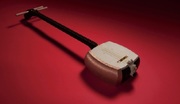
The Tokyo Shamisen is made from the beginning to the end by one artisan. In the Kansai area, the work is divided among a number of artisans, but the Tokyo Shamisen is custom made for the musician by one artisan. It is a craft made by the artisan a…
View more
