


- Dyed textiles
- Tokyo
Tokyo Plain Dyeing Tokyo Mujizome
The tradition of fashionable Edo that continues to this day.
High-class single color dyeing techniques that have been cherished throughout the ages.
Description
What is Tokyo Plain Dyeing ?
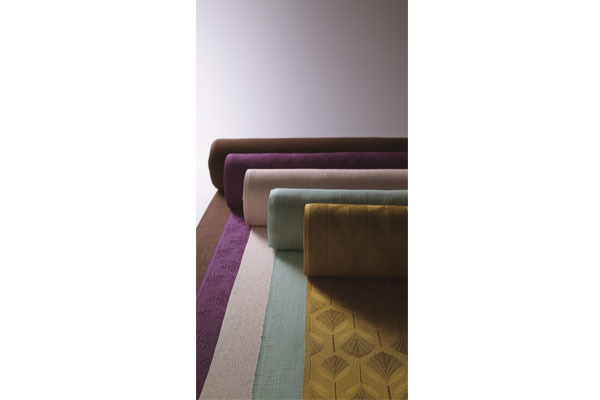
Tokyo Plain Dyeing, called Tokyo Mujizome in Japanese, is a plain dyed textile that started in the mid-Edo period by dyeing artisans as plain dyeing of Edo Murasaki(Edo Purple), indigo, safflower and Edo Cha(Edo Brown).
The current main production centers are Shinjuku, Nakano, Suginami of Tokyo, and Kanagawa prefecture.
Although plain dyeing is the most basic dyeing method, as silk textiles are used for Tokyo Mujizome, they are simple, but have a refined impression. It is quite difficult to dye a 13 meter roll of cloth with no color unevenness. However, with their high quality techniques, Tokyo Mujizome is dyed beautifully, and this is why it is acknowledged as a high-class cloth.
While adjusting to the evolution of dye and the improvement of fabrics, they still create delicate colors based on the color samples that have been used since the Edo period today.
As the plain dyed fabric can be decolored and dyed again in a different color, it can be worn for a long time without being influenced by age or trends.
History
Since indigo and safflower were brought to Japan with Buddhism, original dyeing techniques were established in the Nara and Heian periods (710 - 1185). Plain dyeing such as base dyeing, ombre dyeing and tie dyeing were performed at this time.
In the Kamakura period (1185 -1333), silk textiles developed, as well as lye necessary for plant dyeing, iron mordant, and vinegar, and the dip dyeing techniques advanced to a large extent. In the Edo period (1603 - 1867), the bluish-purple dye, "Edo Murasaki (Edo Purple)", was praised as a stylish fashion of the Edo people.
There is a phrase that goes "Edo Murasaki and Kyo Kanoko", which reflects the trend of that time. This means, "among the dyeing colors in the Edo period, purple in Edo and Kanoko shibori in Kyoto are respectively number one in each area", and describes the differences of dyeing among the two cities.
In this way, Edo Murasaki, Edo Cha (brown) and other plain dyes became a part of the Edo culture and was used regularly among the people.
Even today, it is used for daily clothing and semi-formal wear.
Production Process
- 1. Inspection
The white fabric is checked in advance for any scratches or creases made during the refining process where impurities are removed to bring out the shine and texture unique to silk, or any other defects of the fabric before dyeing.
- 2. Preparing the cloth
The fabric is placed in hot water to remove impurities to make the surface of the fabric smooth. This is a very important process to prevent uneven dyeing. It is then washed in water.
- 3. Dyeing
Dye is stirred into water or boiling water. A retarding agent is used to dye evenly. The temperature and time are considered to dye the fabric in the designated color.
- 4. Color matching
The brightness, saturation and hue are adjusted to create a dye, and the fabric is dyed in the same color as the color sample.
- 5. Washing
The dyed fabric is washed in clear water to remove any impurities. This is necessary to bring out the shine unique to silk and a smooth touch. The fabric is then processed to improve color fastness.
- 6. Drying
The dehydrated fabric is hanged on a pole or stretched with rods and are naturally dried.
- 7. Starching
A natural starch paste is applied with a brush to bring out the sheen and texture of the dyed fabric.
- 8. Adjustments and Inspection
Softening or starching is done depending on each product. Then the fabric is steam ironed, the width of the fabric is adjusted, and the fabric is finally inspected.
Other Dyed textiles
- Kaga Textiles
- Kyo Yuzen Textiles
- Tokyo Fine Pattern Dyed Textiles
- Nagoya Yuzen Textiles
- Kyo Fine Pattern Dyed Textiles
- Arimatsu Narumi Tie-Dyeing
- Ryukyu Bingata Textiles
- Tokyo Yuzen Textiles
- Kyo Kanoko Tie-Dyeing
- Nagoya Black Montsuki Dyeing
- Kyo Black Montsuki Dyeing
- Naniwa Honzome Hand Dyeing
- Tokyo Honzome Chusen
- Tokyo Plain Dyeing
Other Crafts Made in Tokyo
- Edo Kiriko Cut Glass
- Edo Wood Joinery
- Edo Glass
- Murayama Oshima Tsumugi Textiles
- Tokyo Silverwork
- Edo Patterned Paper
- Tokyo Fine Pattern Dyed Textiles
- Edo Bamboo Fishing Rods
- Tama Textiles
- Honba Kihachijo Fabric
- Edo Woodblock Prints
- Tokyo Yuzen Textiles
- Edo Seasonal Festival Dolls
- Edo Hyogu (Art Mountings)
- Edo Oshi-e Embossed Fabric Pictures
- Edo Tortoiseshell Crafts
- Tokyo Antimony Crafts
- Tokyo Hand-carved Seals
- Tokyo Honzome Chusen
- Tokyo Koto (Japanese Harp)
- Tokyo Plain Dyeing
- Tokyo Shamisen
