


Woven textiles
- Sort by
- Popularity
- Name
-
Nishijin Textiles Nishijin ori
- Woven textiles
- Kyoto
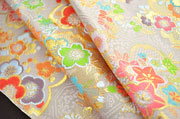
Nishijin Textiles (called Nishijin-ori in Japanese) is woven silk produced in the northwestern part of Kyoto. Kamigyo ward and Kita ward cover this area of Kyoto today, but this area is called Nishijin. According to official rules, only the brocad…
View more
-
Yuki Tsumugi Textiles Yuki Tsumugi
- Woven textiles
- Ibaraki
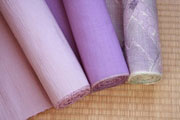
Yuki Tsumugi Textiles is produced principally in the reaches of the Kinugawa River that straddles the Ibaraki and Tochigi prefectures. The Japanese name Yuki tsumugi comes from the name of a feudal lord during the Kamakura period (1185-1333), Yuki…
View more
-
Kurume Kasuri Textiles Kurume Gasuri
- Woven textiles
- Fukuoka

Kurume Kasuri Textiles (Kurume Kasuri in Japanese) is a woven cloth produced in and around the city of Kurume, Fukuoka prefecture. The breathability assures coolness in the summer and excellent heat-retaining properties provide warmth in the winte…
View more
-
Ojiya Chijimi Textiles Ojiya Chijimi
- Woven textiles
- Niigata
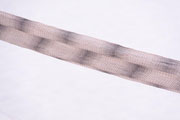
Ojiya Chijimi Textiles (called Ojiya chijimi in Japanese) is a handicraft produced from ramie in the area around the city of Ojiya in Niigata prefecture. Ramie is a tall plant of the nettle family that has been used to make cloth for centuries. R…
View more
-
Hakata Textiles Hakata Ori
- Woven textiles
- Fukuoka
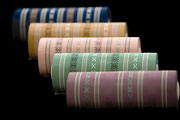
Hakata Ori refers to the ori or woven cloth produced in and around Hakata, Fukuoka prefecture. Hakata weaving techniques, which originated in China, have shaped this unique cloth. It has been highly regarded for its high quality throughout the age…
View more
-
Ushikubi Tsumugi Textiles Ushikubi Tsumugi
- Woven textiles
- Ishikawa
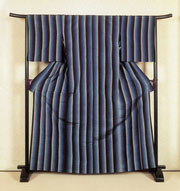
Ushikubi Tsumugi is a silk textile produced in the city of Hakusan, Ishikawa prefecture. It was recognized as a traditional craft in 1988. Some distinctive features of Ushikubi (which literally translates to cow's neck) tsumugi silk are its m…
View more
-
Chichibu Meisen Textiles Chichibu Meisen
- Woven textiles
- Saitama
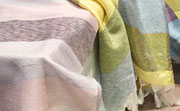
Chichibu Meisen Textiles is a textile produced in the city of Chichibu, Saitama prefecture. It is a plain-woven textile with both sides dyed equally because the threads will be stencil dyed. Since the textile is double-sided, it can be washed and …
View more
-
Miyako Ramie Textiles Miyako Jofu
- Woven textiles
- Okinawa
Miyako Jofu is a textile produced on the island of Miyakojima, Okinawa prefecture. It is woven from a fabric called ramie and dyed with Ryukyu indigo, a type of indigo native to Okinawa. This textile has a fine kasuri pattern* and a smooth and lu…
View more
-
Shiozawa Tsumugi Textiles Shiozawa Tsumugi
- Woven textiles
- Niigata
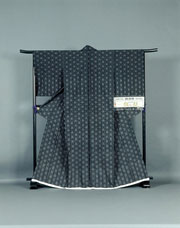
Shiozawa Tsumugi is a silk textile produced in the former town of Shiozawa (now a part of the city of Minamiuonuma), Niigata prefecture. The area is known for its heavy snowfall and wet winter climate which are ideal for weaving. Echigo jofu, a fa…
View more
-
Kumejima Tsumugi Textiles Kumejima Tsumugi
- Woven textiles
- Okinawa
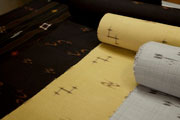
Kumejima Tsumugi Textiles is a textile produced on the island of Kumejima, Okinawa prefecture. The history of this craft goes back all the way to the Muromachi period (1336-1573). This textile is distinct because of its elegant texture and deep c…
View more
-
Omi Ramie Textiles Omi Jofu
- Woven textiles
- Shiga
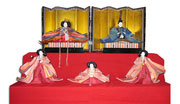
Omi Jofu is a textile produced in the region surrounding the town of Koto in Shiga prefecture. It is made with handwoven ramie threads. This craft has chic kasuri* or ikat patterns and a refreshing texture from being woven with fine ramie threads.…
View more
-
Ryukyu Kasuri Textiles Ryukyu Kasuri
- Woven textiles
- Okinawa
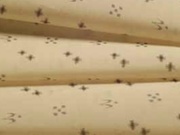
Ryukyu Kasuri is a textile made in Okinawa prefecture. It is made mostly from silk and dyed with both plant and synthetic dyes using a kasuri* or resist-dyeing technique. This craft features over six hundred different kinds of patterns inspired by…
View more
-
Kiryu Textiles Kiryu Ori
- Woven textiles
- Gunma
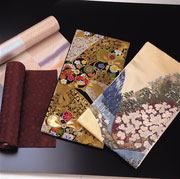
Kiryu Textiles (called Kiryu Ori in Japanese) is a woven cloth produced in the city of Kiryu, Gunma prefecture. This area has a lush environment with excellent climate and terrain, helping it to be prosperous in the silk industry for years. Kiryu …
View more
-
Murayama Oshima Tsumugi Textiles Murayama Oshima Tsumugi
- Woven textiles
- Tokyo
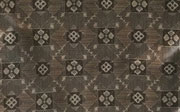
Murayama Oshima Tsumugi is a silk textile produced in the region surrounding Musashi murayama in western Tokyo. This craft is produced from hand-spun threads pulled from dupioni silk and has kasuri patterns* woven with both warp and weft patterns.…
View more
-
Yumihama Gasuri Textiles Yumihama Gasuri
- Woven textiles
- Tottori
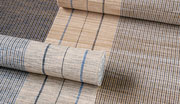
Yumihama Gasuri Textiles (called Yumihama gasuri in Japanese) is produced near the city of Sakaiminato, Tottori prefecture. The name comes from Yumigahama, which is a curved shore that stretches for more than twenty kilometers (about twelve and a …
View more
-
Chibana Hanaori Textiles Chibana Hanaori
- Woven textiles
- Okinawa
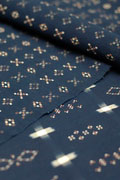
Chibana hanaori is a textile produced in Chibana, Okinawa, Okinawa prefecture. It has flowery patterns woven in the base textile as well as a continuous geometric pattern. This kind of textile with a continuous geometric pattern is called mon orim…
View more
-
Hon Shiozawa Silk Hon Shiozawa
- Woven textiles
- Niigata
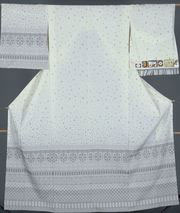
Hon-shiozawa is a textile produced in the former town of Shiozawa (now a part of the city of Minamiuonuma), Niigata prefecture. It is one of the textiles that represent the region, which is famous for linen and silk textile production. This craft …
View more
-
Oitama Tsumugi Textiles Oitama Tsumugi
- Woven textiles
- Yamagata
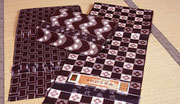
Oitama Tsumugi is a silk fabric produced in the Yonezawa, Hakutaka and Nagai regions of Oitama in southern Yamagata prefecture. The area was well-known for producing and exporting ramie, a tall plant of the nettle family that has been used to make…
View more
-
Ojiya Tsumugi Textiles Ojiya Tsumugi
- Woven textiles
- Niigata
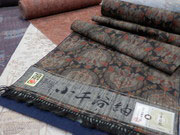
Ojiya Tsumugi is a silk fabric produced in the area around Ojiya, Niigata prefecture, which is a city known for heavy snow. Echigo jofu, a textile made of ramie, has been produced in this area for over a thousand years. As new weaving techniques …
View more
-
Yaeyama Obi Sash Textiles Yaeyama Minsa
- Woven textiles
- Okinawa
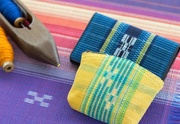
Yaeyama Minsa is a fabric produced in the town of Taketomi, Yaeyama district and the city of Ishigaki, Okinawa prefecture. The origin of this craft is not clear but it is thought that the kasuri belt was brought to Okinawa from Afghanistan via Chi…
View more
-
Yaeyama Ramie Textiles Yaeyama Jofu
- Woven textiles
- Okinawa
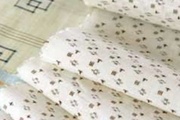
Yaeyama Jofu is a fabric produced in the area surrounding Yaeyama ward in Ishigaki city, Okinawa prefecture. This textile is woven with hand-spun ramie threads and used to be produced as a tax to the Ryukyu Kingdom (present day Okinawa) in ancient…
View more
-
Honba Oshima Tsumugi Textiles Honba Oshima Tsumugi
- Woven textiles
- Kagoshima
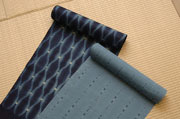
Honba Oshima Tsumugi is a fabric made on the island of Amami, Kagoshima prefecture. It is one hundred percent plain silk that has been dyed and made on handlooms like shime-bata or te-bata. This textile has deep, muted tones as it is dyed with ye…
View more
-
Shinshu Tsumugi Textiles Shinshu Tsumugi
- Woven textiles
- Nagano
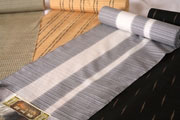
Shinshu Tsumugi is a type of silk fabric also known as pongee and produced throughout Nagano prefecture. Each region in the prefecture has their own production styles and techniques. Also, the specific name of this fabric differs depending on the …
View more
-
Shuri Textiles Shuri Ori
- Woven textiles
- Okinawa

Shuri Textiles (called Shuri Ori in Japanese) is a woven fabric produced on the main island of Okinawa. There are two types of fabric, kasuri orimono and mon orimono, and these include hanaui, hanakura ori, doton ori, kasuri and minsa. The Ryukyu…
View more
-
Tama Textiles Tama Ori
- Woven textiles
- Tokyo
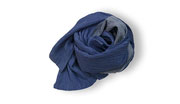
Tama Textiles (called Tama Ori in Japanese) is a woven silk fabric produced around Hachioji, Tokyo. Since ancient times, Tama Ori has been well-known under the name of Hachioji woven fabric. The following five different types of woven fabric are…
View more
-
Yuntanza Hanaui Textiles Yuntanza Hanaui
- Woven textiles
- Okinawa
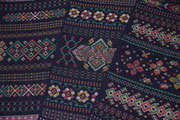
Yomitanzan hanaori is a textile produced in the village of Yomitan, Okinawa. The threads of this craft are first dyed before being woven in a geometric, flowerlike design. This craft is woven with silk or cotton threads dyed with plant-based dyes …
View more
-
Isesaki Gasuri Textiles Isesaki Gasuri
- Woven textiles
- Gunma
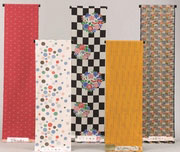
Isesaki Gasuri is a type of woven fabric produced in Isesaki, Gunma prefecture. Mainly used for kimono, this fabric has been admired for its texture since ancient times. Today, neckties and shop curtains called noren in Japanese are also produced.…
View more
-
Honba Kihachijo Fabric Honba Kihachijo
- Woven textiles
- Tokyo
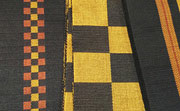
Honba Island Silk (called Honba Kihachijo in Japanese) is produced on Hachijojima Island in Tokyo. The name of this craft derives from a silk fabric with stripe and check patterns mainly dyed in bright yellow called kihachi. Patterns mainly dyed i…
View more
-
Nibutani Attus Bark Fabric Nibutani Attus
- Woven textiles
- Hokkaido
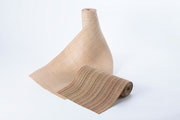
Nibutani Attus Bark Fabric (called Nibutani-attushi in Japanese) is a bark fiber fabric produced in the region surrounding the the town of Biratori, Hokkaido. The term Nibutani originates from niputai which is an Ainu (indigenous people of north J…
View more
-
Uetsu Shinafu Bark Fabric Uetsu Shinafu
- Woven textiles
- Yamagata
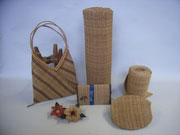
Uetsu Shinafu is a textile produced in the area of Sekikawa, Tsuruoka, Yamagata prefecture, and Sanpoku, Murakami, Niigata prefecture. The names of the neighboring prefectures of Yamagata (Uzen) and Niigata (Echigo) are combined and called Uetsu, …
View more
