


Ceramic and more
- Sort by
- Popularity
- Name
-
Sekishu traditional Japanese paper Sekishu washi
- Traditional Japanese paper
- Shimane
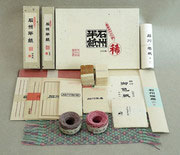
Sekishu washi is a traditional Japanese paper produced in the Iwami region of Shimane prefecture. As an ancient craft, it has a history of around 1300 years. The name Sekishu is found in writings from the Heian period (794-1185). There is also a s…
View more
-
Shodai ware Shodai yaki
- Ceramic
- Kumamoto
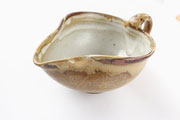
Shodai ware (called Shodai yaki in Japanese) is a form of pottery baked mainly in the northern part of Kumamoto prefecture. This craft is distinguishable because of its simple texture, strong form, and bold design, which is due to the pouring meth…
View more
-
Yamaga lanterns Yamaga toro
- Other crafts
- Kumamoto
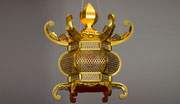
Yamaga toro are lanterns made of washi (traditional Japanese paper) produced in the area surrounding the city of Yamaga, Kumamoto prefecture. For the Yamaga Lantern Festival, an annual summer event, this craft is worn by one thousand dancing women…
View more
-
Echizen ware Echizen yaki
- Ceramic
- Fukui
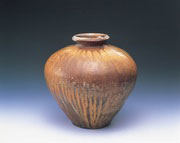
Echizen ware (called Echizen yaki in Japanese) is a type of pottery produced in the town of Echizen, Fukui prefecture. This traditional handicraft comes from one of the Six Ancient Kilns of Japan which along with Bizen, Tamba, Tokoname, Seto, and …
View more
-
Kyo uchiwa fans Kyo uchiwa
- Other crafts
- Kyoto
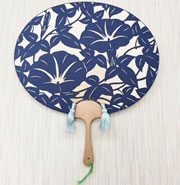
Kyo uchiwa are a type of fan made in Kyoto prefecture. From the many types of Japanese traditional fans, there are three broad categories: Chinese-inspired, southern-inspired, and Korean-inspired with this craft coming from the third category. Th…
View more
-
Tendo Japanese chess pieces Tendo shogi koma
- Other crafts
- Yamagata
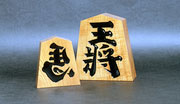
Tendo Japanese chess pieces (called Tendo shogi koma in Japanese) are made in the cities of Tendo, Yamagata, and Murayama in Yamagata prefecture. Production is thought to have begun in Tendo back during the Edo period (1603-1868) and now the city …
View more
-
Edo glass Edo garasu
- Other crafts
- Tokyo
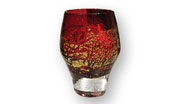
Edo glassware is crafted in the Edogawa, Sumida, and Koto wards of Tokyo. It is also now produced in some areas of nearby Chiba prefecture, but it has been recognized as a local industry of Tokyo. This craftwork uses manufacturing methods, materia…
View more
-
Inshu traditional Japanese paper Inshu washi
- Traditional Japanese paper
- Tottori
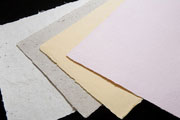
Inshu washi is a handmade traditional Japanese paper made in the former Inaba province, the eastern part of Tottori prefecture. The most famous type of paper is a textured drawing paper that is ideal for calligraphy and ink painting, boasting high…
View more
-
Akazu ware Akazu Yaki
- Ceramic
- Aichi
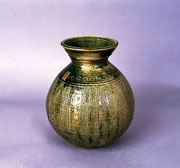
Akazu ware (called Akazu yaki in Japanese) is a form of pottery produced around Akazucho in the eastern part of the city of Seto, Aichi prefecture. This craft is a type of Seto ware, one of Japan's Six Ancient Kilns. Together with Bizen, Tamb…
View more
-
Tamba-tachikui ware Tamba tachikui yaki
- Ceramic
- Hyogo
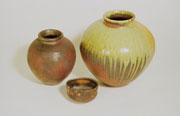
Tamba-tachikui ware (called Tamba-tachikui yaki in Japanese) is a form of pottery produced around Konda in the city of Sasayama, Hyogo prefecture. It is one of Japan's Six Ancient Kilns. Together with Bizen, Tamba, Echizen, Seto, and Tokoname…
View more
-
Yokkaichi-banko ware Yokkaichi banko yaki
- Ceramic
- Mie
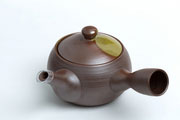
Yokkaichi banko ware (called Yokkaichi banko yaki in Japanese) is a form of ceramic ware produced in the city of Yokkaichi, Mie prefecture. For a long time, items for everyday use like teacups and plates, as well as pieces of art like vases have b…
View more
-
Edo patterned paper Edo karakami
- Other crafts
- Tokyo
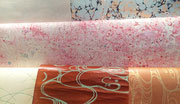
Edo karakami is a type of decorated traditional paper produced in the Bunkyo and Taito wards of Tokyo, as well as Matsudo, Chiba prefecture, and Tokigawa, Saitama prefecture. Designated as a traditional craft by the Japanese government in May 1999…
View more
-
Izushi ware Izushi yaki
- Ceramic
- Hyogo
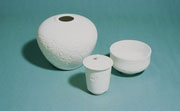
Izushi ware (called
View more
-
Kyo ware/Kiyomizu ware Kyo yaki Kiyomizu yaki
- Ceramic
- Kyoto
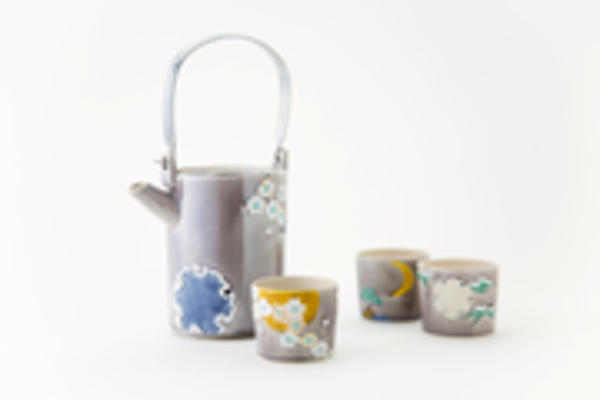
Kyo-ware/Kiyomizu-ware (called Kyo yaki/Kiyomizu yaki in Japanese) is a type of pottery produced in the Kyoto area. Originally, Kyo-ware was a general term for all pottery produced in Kyoto, while Kiyomizu-ware specifically referred to pottery pro…
View more
-
Awa traditional Japanese paper Awa washi
- Traditional Japanese paper
- Tokushima
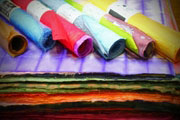
Awa washi is traditional Japanese paper made in Yoshinogawa, Naka-cho, and Ikeda-cho in Tokushima prefecture. It is produced using the traditional papermaking methods of nagashisuki (papermaking in flowing water), and tamesuki (papermaking using s…
View more
-
Iwami ware Iwami yaki
- Ceramic
- Shimane
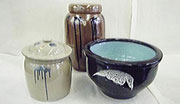
Iwami ware (called Iwami yaki) is a type of pottery produced around the city of Gotsu, Shimane prefecture. Iwami ware is strong, has low water absorbency and is resistant to salt, acid, and alkali which makes it suitable for storing pickled plums …
View more
-
Ozu traditional Japanese paper Ozu washi
- Traditional Japanese paper
- Ehime
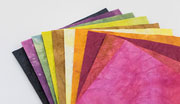
Ozu traditional Japanese paper (called Ozu washi in Japanese) is a handmade paper made in the town of Uchiko, Ehime prefecture. The history of papermaking of Ozu washi dates back to the Heian period (794-1185), and the current style of Ozu washi e…
View more
-
Yame lanterns Yame chochin
- Other crafts
- Fukuoka
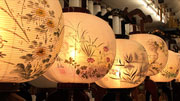
Yame Lanterns (called Yame Chochin in Japanese) are a type of lantern craft produced in the region around Yame, Fukuoka prefecture. This craft has a bamboo frame and a fire box with beautifully painted flowers, birds, and plants. The bamboo frame …
View more
-
Amakusa ceramics Amakusa tojiki
- Ceramic
- Kumamoto
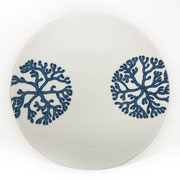
Amakusa ware (called Amakusa Tojiki in Japanese) is a form of pottery or porcelain baked in the Amakusa region of Kumamoto prefecture. The name was newly applied when the craft was designated as a national traditional craft. In Amakusa, where high…
View more
-
Echu traditional Japanese paper Echu washi
- Traditional Japanese paper
- Toyama
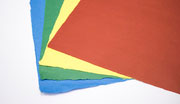
Etchu washi is traditional Japanese paper made in Asahi, Yatsuo, and Taira in Toyama prefecture. Each production area makes their own type of washi which are called Gokayama washi, Yatsuo washi, and Birudan washi. This craft has slight regional va…
View more
-
Owari Cloisonné Owari shippo
- Other crafts
- Aichi

Owari Cloisonné (called Owari Shippo in Japanese) is a type of enamelware, produced in Ama and Nagoya, Aichi prefecture, that is decorated with vibrant colorful designs often depicting natural scenery or the beauty of nature. The name shippo refer…
View more
-
Fukuyama Koto (Japanese Harp) Fukuyama koto
- Other crafts
- Hiroshima
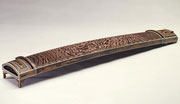
Fukuyama koto is a Japanese harp, koto, produced in Fukuyama, Hiroshima prefecture. Most of the koto produced in Japan are made in Fukuyama, which is where the coastal view of the city inspired one of the most well-known koto songs, Haru no Umi (S…
View more
-
Uchiyama Japanese paper Uchiyama gami
- Traditional Japanese paper
- Nagano
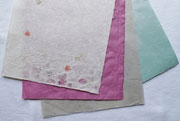
Uchiyama Gami is a type of traditional Japanese paper made in the Oku-shinano region of northern Nagano prefecture. As a region that gets heavy snowfall during the winter, papermaking production developed to provide supplementary income. This craf…
View more
-
Kyo art preservation Kyo hyogu
- Other crafts
- Kyoto
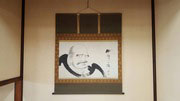
Kyoto Art Mountings, called Kyo Hyogu in Japanese,are mountings done in Kyoto prefecture. Hyogu or hyoso is a traditional technique to strengthen and preserve calligraphy works, paintings and the like with paper or cloth and adding decorations to …
View more
-
Seto-sometsuke ware Seto sometsuke yaki
- Ceramic
- Aichi
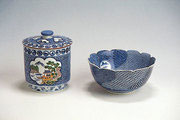
Seto Sometsuke ware (called Seto Sometsuke yaki in Japanese) is ceramic ware produced near the cities of Seto and Owariasahi in Aichi prefecture. The term sometsuke is normally used when designs are painted on porcelain with an indigo blue pigment…
View more
-
Banshu fly-fishing flies Banshu kebari
- Other crafts
- Hyogo
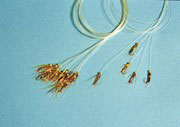
Banshu Kebari are fishing flies used as artificial-bait hooks for fishing, produced in Nishiwaki City, Hyogo Prefecture. They are characterized by their exquisitely fine workmanship; bird feathers wound with silk thread around a small 1cm hook, ad…
View more
-
Woodblock prints Edo mokuhanga
- Other crafts
- Tokyo
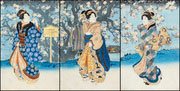
Techniques for woodblock prints were developed and refined during the Edo period (1603-1868), and Edo Woodblock Prints called Edo Mokuhanga in Japanese, contributed to spreading beautiful printed art forms such as ukiyoe (a genre of Japanese art).…
View more
-
Koshu hand-carved seals Koshu tebori insho
- Other crafts
- Yamanashi
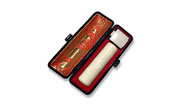
Koshu Tebori Insho are hand-engraved personal signature stamps produced in Kofu City and Fujiyoshida City of Yamanashi Prefecture. Bringing together all of Yamanashi’s engravers, dealers, and material producers, this local industry is unlike those…
View more
-
Edo Hyogu (Art Mountings) Edo Hyogu
- Other crafts
- Tokyo
Hyougu (art mountings) are used to set up calligraphic works and paintings into hanging scrolls, picture frames, and folding screens etc. for display and preservation. There are various types of art mountings such as hanging scrolls and scrolls, f…
View more
-
Edo tortoise shell crafts Edo bekko
- Other crafts
- Tokyo
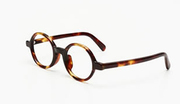
Edo Bekko are fashion accessories and ornaments made from hawksbill turtle shells, produced in Bunkyo Ward, Taito Ward and Sumida Ward, Tokyo. Production of this craft started in the early Edo period. Edo Bekko is characterized by its unique sheen…
View more
