


Ceramic and more
- Sort by
- Popularity
- Name
-
Hidehira lacquerware Hidehira nuri
- Lacquerware
- Iwate
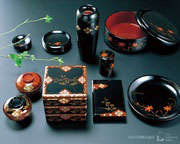
Hidehira lacquerware (called Hidehira-nuri in Japanese) is produced in the area around the town of Hiraizumi, in Iwate prefecture. The defining feature of Hidehira lacquerware is the use of gold leaf produced in the area around Hiraizumi, which re…
View more
-
Kagawa lacquerware Kagawa shikki
- Lacquerware
- Kagawa
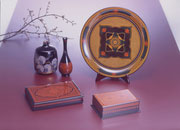
Kagawa lacquerware (called Kagawa shikki in Japanese) is produced in the area around the city of Takamatsu, Kagawa prefecture. There is a wide range of products, such as cake boxes, trays, low tables, and display cases, which are widely popular fo…
View more
-
Ryukyu lacquerware Ryukyu shikki
- Lacquerware
- Okinawa
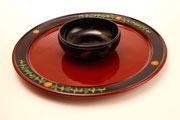
Ryukyu lacquerware (called Ryukyu shikki in Japanese) is produced in Okinawa prefecture. Lacquerware techniques imported from China were well-adapted during the development of Ryukyu lacquerware unique to Okinawa. The technology and artistry invol…
View more
-
Shodai ware Shodai yaki
- Ceramic
- Kumamoto
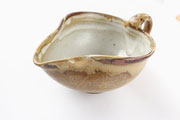
Shodai ware (called Shodai yaki in Japanese) is a form of pottery baked mainly in the northern part of Kumamoto prefecture. This craft is distinguishable because of its simple texture, strong form, and bold design, which is due to the pouring meth…
View more
-
Echizen ware Echizen yaki
- Ceramic
- Fukui
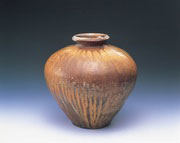
Echizen ware (called Echizen yaki in Japanese) is a type of pottery produced in the town of Echizen, Fukui prefecture. This traditional handicraft comes from one of the Six Ancient Kilns of Japan which along with Bizen, Tamba, Tokoname, Seto, and …
View more
-
Takaoka lacquerware Takaoka shikki
- Lacquerware
- Toyama
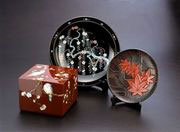
Takaoka lacquerware (called Takaoka shikki in Japanese) is produced in the area around the city of Takaoka, in Toyama prefecture. A defining feature of this lacquerware is the wide range of techniques and styles. Aogai-nuri is a technique that use…
View more
-
Wakasa lacquerware Wakasa nuri
- Lacquerware
- Fukui
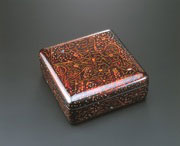
Wakasa lacquerware (called Wakasa-nuri in Japanese) is produced in the area around the city of Obama, Fukui prefecture. It is said to have originated in the early Edo period (1603-1868) when a craftsman serving the Obama domain (now the city of Ob…
View more
-
Akazu ware Akazu Yaki
- Ceramic
- Aichi
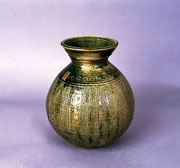
Akazu ware (called Akazu yaki in Japanese) is a form of pottery produced around Akazucho in the eastern part of the city of Seto, Aichi prefecture. This craft is a type of Seto ware, one of Japan's Six Ancient Kilns. Together with Bizen, Tamb…
View more
-
Hida-shunkei lacquerware Hida shunkei
- Lacquerware
- Gifu
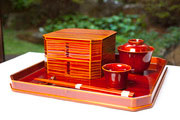
Hida-shunkei lacquerware is produced around the city of Takayama in Gifu prefecture. The name is said to come from the fact that the articles produced initially had a similar coloring to Hishunkei tea containers. This craft is notable for having …
View more
-
Ouchi lacquerware Ouchi nuri
- Lacquerware
- Yamaguchi
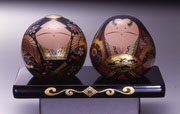
Ouchi lacquerware (called Ouchi nuri in Japanese) is produced around the city of Yamaguchi, in Yamaguchi prefecture. This craft emerged under the Ouchi clan, which boasted significant influence and power in the region during the Muromachi period (…
View more
-
Tamba-tachikui ware Tamba tachikui yaki
- Ceramic
- Hyogo
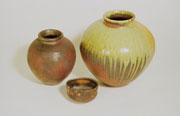
Tamba-tachikui ware (called Tamba-tachikui yaki in Japanese) is a form of pottery produced around Konda in the city of Sasayama, Hyogo prefecture. It is one of Japan's Six Ancient Kilns. Together with Bizen, Tamba, Echizen, Seto, and Tokoname…
View more
-
Yokkaichi-banko ware Yokkaichi banko yaki
- Ceramic
- Mie
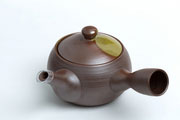
Yokkaichi banko ware (called Yokkaichi banko yaki in Japanese) is a form of ceramic ware produced in the city of Yokkaichi, Mie prefecture. For a long time, items for everyday use like teacups and plates, as well as pieces of art like vases have b…
View more
-
Izushi ware Izushi yaki
- Ceramic
- Hyogo
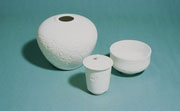
Izushi ware (called
View more
-
Kanazawa lacquerware Kanazawa shikki
- Lacquerware
- Ishikawa
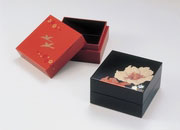
Kanazawa lacquerware (called Kanazawa shikki in Japanese) is produced in the area around the city of Kanazawa, in Ishikawa prefecture. It was developed for the liking of feudal lords as it had the financial backing of the Kaga domain (present day …
View more
-
Kishu lacquerware Kishu shikki
- Lacquerware
- Wakayama

Kishu lacquerware, also known as kuroe-nuri, is produced around the Kuro-e region northwest of the city of Kainan, Wakayama prefecture. This craft is simple, durable, and practical and has been popular as a household good since the Edo period (160…
View more
-
Kyo ware/Kiyomizu ware Kyo yaki Kiyomizu yaki
- Ceramic
- Kyoto
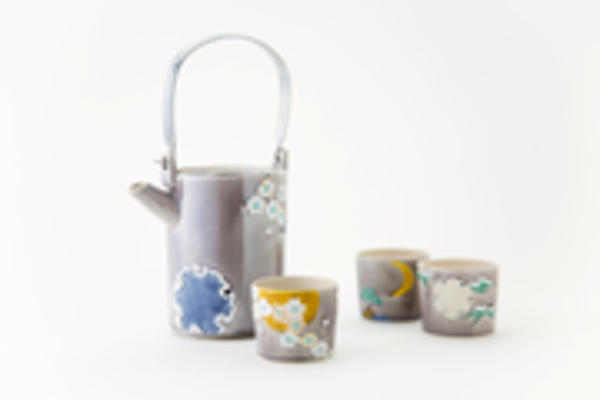
Kyo-ware/Kiyomizu-ware (called Kyo yaki/Kiyomizu yaki in Japanese) is a type of pottery produced in the Kyoto area. Originally, Kyo-ware was a general term for all pottery produced in Kyoto, while Kiyomizu-ware specifically referred to pottery pro…
View more
-
Kyo laquerware Kyo shikki
- Lacquerware
- Kyoto
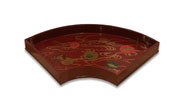
Kyo lacquerware (called Kyo shikki in Japanese) is produced in the Kyoto area. Since it developed at the same time as the tea ceremony culture, this craft possesses a wabi-sabi* quality. Kyo lacquerware has a thinner and more delicate wood grain t…
View more
-
Odawara lacquerware Odawara shikki
- Lacquerware
- Kanagawa
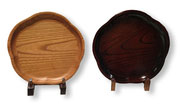
Odawara lacquerware (called Odawara shikki in Japanese) is a type of lacquerware that is made in the city of Odawara, Kanagawa prefecture. It features a glossy lacquer finish which highlights the elegant grain of the wood material. While beautiful…
View more
-
Iwami ware Iwami yaki
- Ceramic
- Shimane
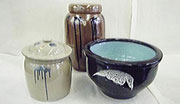
Iwami ware (called Iwami yaki) is a type of pottery produced around the city of Gotsu, Shimane prefecture. Iwami ware is strong, has low water absorbency and is resistant to salt, acid, and alkali which makes it suitable for storing pickled plums …
View more
-
Naruko lacquerware Naruko shikki
- Lacquerware
- Miyagi
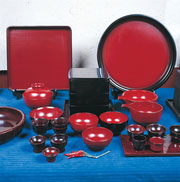
Naruko lacquerware (called Naruko shikki in Japanese) is a form of lacquerware produced around the city of Osaki, Miyagi prefecture. Lacquerware is a craft coating layers of lacquer on wooden tableware and other utensils. Lacquerware is produced i…
View more
-
Niigata lacquerware Niigata shikki
- Lacquerware
- Niigata
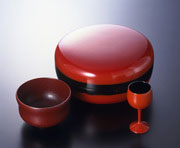
Niigata Lacquerware (called Niigata Shikki in Japanese) is a form of lacquerware produced in the area around the city of Niigata, Niigata prefecture. This craft has various coating techniques such as hana-nuri, ishime-nuri, nishiki-nuri, isokusa-n…
View more
-
Osaka Buddhist altar Osaka butsudan
- Household Buddhist altars
- Osaka
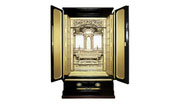
Osaka Buddhist altars (called Osaka butsudan in Japanese) are produced in the cities of Osaka, Yao, Higashiosaka, Sakai, and Kishiwada in Osaka prefecture. Along with the standard lacquer-painted, gold-leafed altars, this region is also known for …
View more
-
Amakusa ceramics Amakusa tojiki
- Ceramic
- Kumamoto
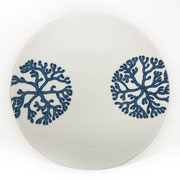
Amakusa ware (called Amakusa Tojiki in Japanese) is a form of pottery or porcelain baked in the Amakusa region of Kumamoto prefecture. The name was newly applied when the craft was designated as a national traditional craft. In Amakusa, where high…
View more
-
Hikone Buddhist altar Hikone butsudan
- Household Buddhist altars
- Shiga

Hikone Buddhist Altars (called Hikone Butsudan in Japanese) are produced in the city of Hikone, Shiga prefecture. Using luxurious materials in altar bodies which are usually larger than 121.2 cm, this craft is synonymous with high-grade Buddhist a…
View more
-
Iiyama Buddhist altar Iiyama butsudan
- Household Buddhist altars
- Nagano
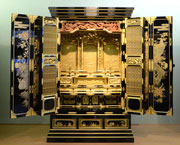
Iiyama Buddhist Altars, called Iiyama Butsudan in Japanese, are made around the city of Iiyama, Nagano prefecture. Iiyama is known for its people being devout to Buddhism since ancient times, which sustains the tradition of altar production. This …
View more
-
Nagoya Buddhist altar Nagoya butsudan
- Household Buddhist altars
- Aichi
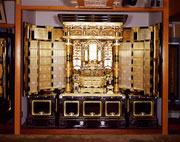
Nagoya Buddhist Altars (called Nagoya Butsudan in Japanese) are produced around the city of Nagoya, Aichi prefecture. Usually high grade trees such as Japanese cypress, zelkova, or sandalwood are used for the base. Nagoya Buddhist Altars have a hi…
View more
-
Kanazawa Buddhist altar Kanazawa butsudan
- Household Buddhist altars
- Ishikawa
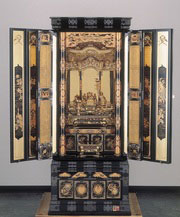
Kanazawa Buddhist Altars (called Kanazawa Butsudan in Japanese) are made in Kanazawa, Ishikawa prefecture. In the past, Ishikawa was an incredibly wealthy province called Kaga. This wealth was reflected in the rich Kaga culture of luxurious crafts…
View more
-
Kawanabe Buddhist altar Kawanabe butsudan
- Household Buddhist altars
- Kagoshima
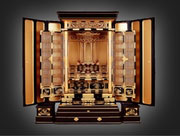
Kawanabe Buddhist Altars (called Kawanabe Butsudan in Japanese) are made in the Kawanabe area of Minamikyushu, Kagoshima prefecture. There is a specific type of altar called gamado that is unique to this craft. Gama means cave in the Kagoshima dia…
View more
-
Kyo Buddhist altar Kyo butsudan
- Household Buddhist altars
- Kyoto

Kyo Buddhist Altars (called Kyo Butsudan in Japanese) are produced in the cities of Kyoto and Kameoka in Kyoto. Most Kyo Buddhist Altars are made for temples instead of households. They are professionally handcrafted by a number of respective expe…
View more
-
Murakami carved lacquerware Murakami kibori tsuishu
- Lacquerware
- Niigata
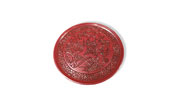
Murakami Carved Lacquerware (called Murakami Kibori Tsuishu in Japanese) is produced in the area around Murakami, Niigata prefecture. The region, which was formerly the Murakami domain, has been famous for its production of natural lacquer since t…
View more
