


Woven textiles and more
- Sort by
- Popularity
- Name
-
Miyako ramie textile Miyako jofu
- Woven textiles
- Okinawa
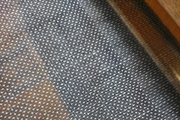
Miyako jofu is a textile produced on the island of Miyakojima, Okinawa prefecture. It is woven from a fabric called ramie and dyed with Ryukyu indigo, a type of indigo native to Okinawa. This textile has a fine kasuri pattern* and a smooth and lu…
View more
-
Shiozawa tsumugi silk Shiozawa tsumugi
- Woven textiles
- Niigata
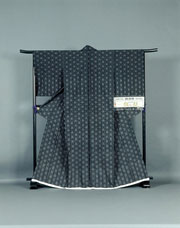
Shiozawa tsumugi is a silk textile produced in the former town of Shiozawa (now a part of the city of Minamiuonuma), Niigata prefecture. The area is known for its heavy snowfall and wet winter climate which are ideal for weaving. Echigo jofu, a fa…
View more
-
Shodai ware Shodai yaki
- Ceramic
- Kumamoto
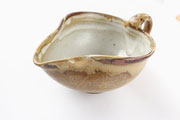
Shodai ware (called Shodai yaki in Japanese) is a form of pottery baked mainly in the northern part of Kumamoto prefecture. This craft is distinguishable because of its simple texture, strong form, and bold design, which is due to the pouring meth…
View more
-
Echizen ware Echizen yaki
- Ceramic
- Fukui
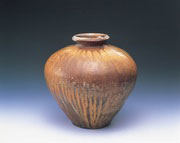
Echizen ware (called Echizen yaki in Japanese) is a type of pottery produced in the town of Echizen, Fukui prefecture. This traditional handicraft comes from one of the Six Ancient Kilns of Japan which along with Bizen, Tamba, Tokoname, Seto, and …
View more
-
Kumejima tsumugi silk Kumejima tsumugi
- Woven textiles
- Okinawa
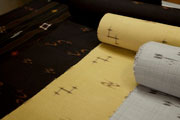
Kumejima tsumugi silk is a textile produced on the island of Kumejima, Okinawa prefecture. The history of this craft goes back all the way to the Muromachi period (1336-1573). This textile is distinct because of its elegant texture and deep color …
View more
-
Omi ramie cloth Omi jofu
- Woven textiles
- Shiga
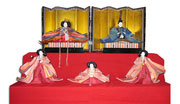
Omi jofu is a textile produced in the region surrounding the town of Koto in Shiga prefecture. It is made with handwoven ramie threads. This craft has chic kasuri* or ikat patterns and a refreshing texture from being woven with fine ramie threads.…
View more
-
Ryukyu traditional resist-dyed textiles Ryukyu kasuri
- Woven textiles
- Okinawa
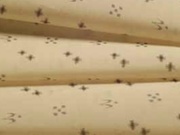
Ryukyu kasuri is a textile made in Okinawa prefecture. It is made mostly from silk and dyed with both plant and synthetic dyes using a kasuri* or resist-dyeing technique. This craft features over six hundred different kinds of patterns inspired by…
View more
-
Akazu ware Akazu Yaki
- Ceramic
- Aichi
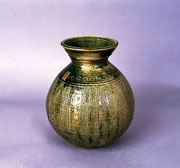
Akazu ware (called Akazu yaki in Japanese) is a form of pottery produced around Akazucho in the eastern part of the city of Seto, Aichi prefecture. This craft is a type of Seto ware, one of Japan's Six Ancient Kilns. Together with Bizen, Tamb…
View more
-
Kiryu brocade Kiryu ori
- Woven textiles
- Gunma
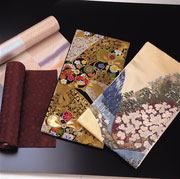
Kiryu brocade (called Kiryu ori in Japanese) is a woven cloth produced in the city of Kiryu, Gunma prefecture. This area has a lush environment with excellent climate and terrain, helping it to be prosperous in the silk industry for years. Kiryu i…
View more
-
Murayama-oshima tsumugi silk Murayama oshima tsumugi
- Woven textiles
- Tokyo
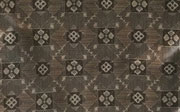
Murayama oshima tsumugi is a silk textile produced in the region surrounding Musashi murayama in western Tokyo. This craft is produced from hand-spun threads pulled from dupioni silk and has kasuri patterns* woven with both warp and weft patterns.…
View more
-
Tamba-tachikui ware Tamba tachikui yaki
- Ceramic
- Hyogo
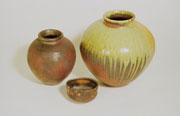
Tamba-tachikui ware (called Tamba-tachikui yaki in Japanese) is a form of pottery produced around Konda in the city of Sasayama, Hyogo prefecture. It is one of Japan's Six Ancient Kilns. Together with Bizen, Tamba, Echizen, Seto, and Tokoname…
View more
-
Yokkaichi-banko ware Yokkaichi banko yaki
- Ceramic
- Mie
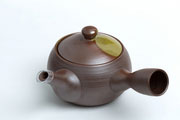
Yokkaichi banko ware (called Yokkaichi banko yaki in Japanese) is a form of ceramic ware produced in the city of Yokkaichi, Mie prefecture. For a long time, items for everyday use like teacups and plates, as well as pieces of art like vases have b…
View more
-
Izushi ware Izushi yaki
- Ceramic
- Hyogo
Izushi ware (called
View more
-
Kyo ware/Kiyomizu ware Kyo yaki Kiyomizu yaki
- Ceramic
- Kyoto
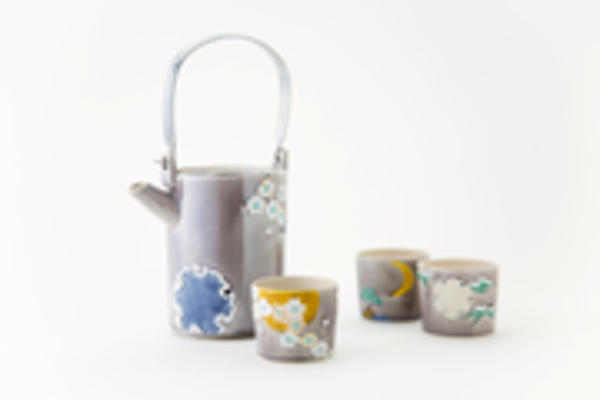
Kyo-ware/Kiyomizu-ware (called Kyo yaki/Kiyomizu yaki in Japanese) is a type of pottery produced in the Kyoto area. Originally, Kyo-ware was a general term for all pottery produced in Kyoto, while Kiyomizu-ware specifically referred to pottery pro…
View more
-
Tokyo fine-patterned dyeing Tokyo some komon
- Dyed textiles
- Tokyo
Tokyo fine-patterned dyeing (called Tokyo some komon in Japanese) is a stencil dyed textile produced in different wards of Tokyo like Shinjuku and Setagaya. It was designated as a traditional national craft in 1976. This textile can seem plain fro…
View more
-
Yumihama traditional resist-dyed textiles Yumihama gasuri
- Woven textiles
- Tottori
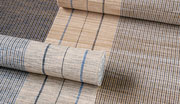
Yumihama traditional resist-dyed textiles (called Yumihama gasuri in Japanese) is produced near the city of Sakaiminato, Tottori prefecture. The name comes from Yumigahama, which is a curved shore that stretches for more than twenty kilometers (ab…
View more
-
Chibana-hanaori textiles Chibana hanaori
- Woven textiles
- Okinawa
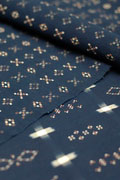
Chibana hanaori is a textile produced in Chibana, Okinawa, Okinawa prefecture. It has flowery patterns woven in the base textile as well as a continuous geometric pattern. This kind of textile with a continuous geometric pattern is called mon orim…
View more
-
Hon-shiozawa silk Hon shiozawa
- Woven textiles
- Niigata
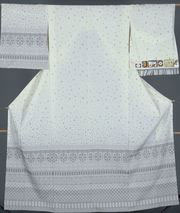
Hon-shiozawa is a textile produced in the former town of Shiozawa (now a part of the city of Minamiuonuma), Niigata prefecture. It is one of the textiles that represent the region, which is famous for linen and silk textile production. This craft …
View more
-
Nagoya textiles Nagoya yuzen
- Dyed textiles
- Aichi
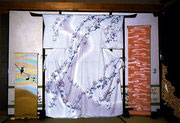
Nagoya yuzen is a cloth that is dyed and painted through a range of traditional techniques that are unique to the city of Nagoya, Aichi prefecture. The designs used for this craft range from monochromatic, color gradation, or classical motifs, but…
View more
-
Oitama tsumugi silk Oitama tsumugi
- Woven textiles
- Yamagata
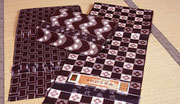
Oitama tsumugi is a silk fabric produced in the Yonezawa, Hakutaka and Nagai regions of Oitama in southern Yamagata prefecture. The area was well-known for producing and exporting ramie, a tall plant of the nettle family that has been used to make…
View more
-
Ojiya tsumugi silk Ojiya tsumugi
- Woven textiles
- Niigata
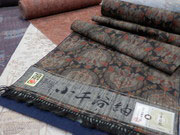
Ojiya tsumugi is a silk fabric produced in the area around Ojiya, Niigata prefecture, which is a city known for heavy snow. Echigo jofu, a textile made of ramie, has been produced in this area for over a thousand years. As new weaving techniques …
View more
-
Yaeyama cotton cloth Yaeyama minsa
- Woven textiles
- Okinawa
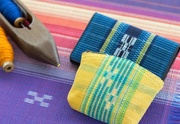
Yaeyama minsa is a fabric produced in the town of Taketomi, Yaeyama district and the city of Ishigaki, Okinawa prefecture. The origin of this craft is not clear but it is thought that the kasuri belt was brought to Okinawa from Afghanistan via Chi…
View more
-
Yaeyama ramie cloth Yaeyama jofu
- Woven textiles
- Okinawa
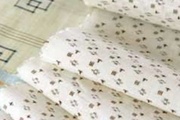
Yaeyama jofu is a fabric produced in the area surrounding Yaeyama ward in Ishigaki city, Okinawa prefecture. This textile is woven with hand-spun ramie threads and used to be produced as a tax to the Ryukyu Kingdom (present day Okinawa) in ancient…
View more
-
Honba oshima tsumugi silk Honba oshima tsumugi
- Woven textiles
- Kagoshima
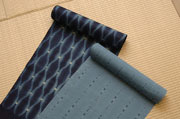
Honba Oshima Tsumugi is a fabric made on the island of Amami, Kagoshima prefecture. It is one hundred percent plain silk that has been dyed and made on handlooms like shime-bata or te-bata. This textile has deep, muted tones as it is dyed with ye…
View more
-
Iwami ware Iwami yaki
- Ceramic
- Shimane
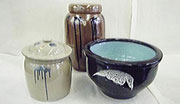
Iwami ware (called Iwami yaki) is a type of pottery produced around the city of Gotsu, Shimane prefecture. Iwami ware is strong, has low water absorbency and is resistant to salt, acid, and alkali which makes it suitable for storing pickled plums …
View more
-
Shinshu tsumugi silk Shinshu tsumugi
- Woven textiles
- Nagano
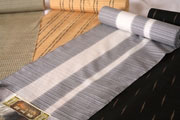
Shinshu tsumugi is a type of silk fabric also known as pongee and produced throughout Nagano prefecture. Each region in the prefecture has their own production styles and techniques. Also, the specific name of this fabric differs depending on the …
View more
-
Shuri brocade Shuri ori
- Woven textiles
- Okinawa

Shuri brocade (called Shuri ori in Japanese) is a woven fabric produced on the main island of Okinawa. There are two types of fabric, kasuri orimono and mon orimono, and these include hanaui, hanakura ori, doton ori, kasuri and minsa. The Ryukyu …
View more
-
Tama brocade Tama ori
- Woven textiles
- Tokyo
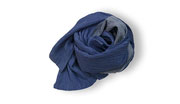
Tama brocade (called Tama ori in Japanese) is a woven silk fabric produced around Hachioji, Tokyo. Since ancient times, Tama ori has been well-known under the name of Hachioji woven fabric. The following five different types of woven fabric are …
View more
-
Yomitanzan-hanaori textiles Yomitanzan hanaori
- Woven textiles
- Okinawa
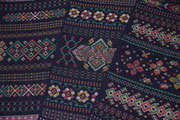
Yomitanzan hanaori is a textile produced in the village of Yomitan, Okinawa. The threads of this craft are first dyed before being woven in a geometric, flowerlike design. This craft is woven with silk or cotton threads dyed with plant-based dyes …
View more
-
Amakusa ceramics Amakusa tojiki
- Ceramic
- Kumamoto
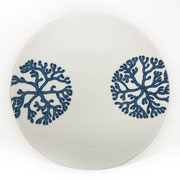
Amakusa ware (called Amakusa Tojiki in Japanese) is a form of pottery or porcelain baked in the Amakusa region of Kumamoto prefecture. The name was newly applied when the craft was designated as a national traditional craft. In Amakusa, where high…
View more
