


Dyed textiles and more
- Sort by
- Popularity
- Name
-
Edo wood joinery Edo sashimono
- Wood, bamboo crafts
- Tokyo
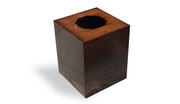
Edo sashimono is a type of wood joinery made in Tokyo with hand-cut dovetail joints and without nails. The word sashimono comes from the process of measuring with a monosashi or woodwork ruler. This craft is characterized by its restrained ornamen…
View more
-
Shodai ware Shodai yaki
- Ceramic
- Kumamoto
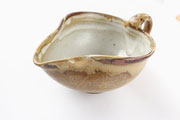
Shodai ware (called Shodai yaki in Japanese) is a form of pottery baked mainly in the northern part of Kumamoto prefecture. This craft is distinguishable because of its simple texture, strong form, and bold design, which is due to the pouring meth…
View more
-
Echizen ware Echizen yaki
- Ceramic
- Fukui
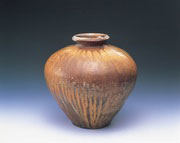
Echizen ware (called Echizen yaki in Japanese) is a type of pottery produced in the town of Echizen, Fukui prefecture. This traditional handicraft comes from one of the Six Ancient Kilns of Japan which along with Bizen, Tamba, Tokoname, Seto, and …
View more
-
Ichii woodcarvings Ichii itto bori
- Wood, bamboo crafts
- Gifu
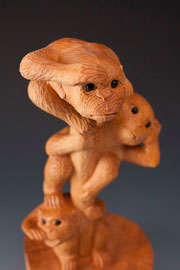
Ichii woodcarvings (called Ichii itto bori in Japanese) are produced in the Hida region of Gifu prefecture, and made only from the wood of ichii (Japanese yew), the prefectural tree of Gifu. The ichii tree gets its name from a scepter made of Japa…
View more
-
Suruga bamboo crafts Suruga takesensuji zaiku
- Wood, bamboo crafts
- Shizuoka
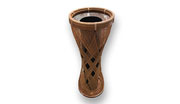
Suruga bamboo ware (called Suruga take sensuji zaiku in Japanese) is produced in the city of Shizuoka, Shizuoka prefecture. High quality bamboo has grown wild in the basin of the upper reaches of the Abe River in Shizuoka since ancient times. Bamb…
View more
-
Akazu ware Akazu Yaki
- Ceramic
- Aichi
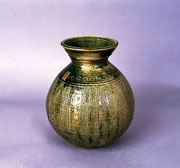
Akazu ware (called Akazu yaki in Japanese) is a form of pottery produced around Akazucho in the eastern part of the city of Seto, Aichi prefecture. This craft is a type of Seto ware, one of Japan's Six Ancient Kilns. Together with Bizen, Tamb…
View more
-
Tamba-tachikui ware Tamba tachikui yaki
- Ceramic
- Hyogo
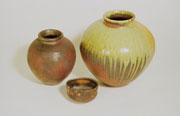
Tamba-tachikui ware (called Tamba-tachikui yaki in Japanese) is a form of pottery produced around Konda in the city of Sasayama, Hyogo prefecture. It is one of Japan's Six Ancient Kilns. Together with Bizen, Tamba, Echizen, Seto, and Tokoname…
View more
-
Yokkaichi-banko ware Yokkaichi banko yaki
- Ceramic
- Mie
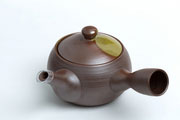
Yokkaichi banko ware (called Yokkaichi banko yaki in Japanese) is a form of ceramic ware produced in the city of Yokkaichi, Mie prefecture. For a long time, items for everyday use like teacups and plates, as well as pieces of art like vases have b…
View more
-
Izushi ware Izushi yaki
- Ceramic
- Hyogo
Izushi ware (called
View more
-
Kyo ware/Kiyomizu ware Kyo yaki Kiyomizu yaki
- Ceramic
- Kyoto
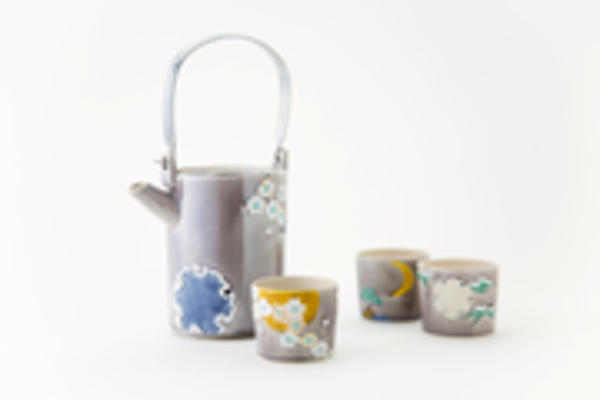
Kyo-ware/Kiyomizu-ware (called Kyo yaki/Kiyomizu yaki in Japanese) is a type of pottery produced in the Kyoto area. Originally, Kyo-ware was a general term for all pottery produced in Kyoto, while Kiyomizu-ware specifically referred to pottery pro…
View more
-
Tokyo fine-patterned dyeing Tokyo some komon
- Dyed textiles
- Tokyo
Tokyo fine-patterned dyeing (called Tokyo some komon in Japanese) is a stencil dyed textile produced in different wards of Tokyo like Shinjuku and Setagaya. It was designated as a traditional national craft in 1976. This textile can seem plain fro…
View more
-
Edo bamboo fishing rods Edo wazao
- Wood, bamboo crafts
- Tokyo
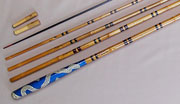
Edo wazao are fishing rods that are produced in the Kanto region, mainly Tokyo and the prefectures of Chiba and Saitama. This craft is named after the Edo lineage of the craftsmen and not the production area of Edo (now Tokyo). It is made from sev…
View more
-
Kishu bamboo fishing rods Kishu herazao
- Wood, bamboo crafts
- Wakayama
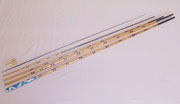
Kishu bamboo fishing rods (called Kishu herazao in Japanese) are produced in the city of Hashimoto, Wakayama prefecture for catching Japanese crucian carp. The bamboos: suzutake, madake, and yadake are cut, left to dry for several years, and only …
View more
-
Nagoya textiles Nagoya yuzen
- Dyed textiles
- Aichi
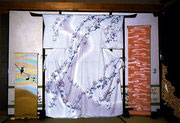
Nagoya yuzen is a cloth that is dyed and painted through a range of traditional techniques that are unique to the city of Nagoya, Aichi prefecture. The designs used for this craft range from monochromatic, color gradation, or classical motifs, but…
View more
-
Iwami ware Iwami yaki
- Ceramic
- Shimane
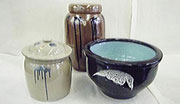
Iwami ware (called Iwami yaki) is a type of pottery produced around the city of Gotsu, Shimane prefecture. Iwami ware is strong, has low water absorbency and is resistant to salt, acid, and alkali which makes it suitable for storing pickled plums …
View more
-
Amakusa ceramics Amakusa tojiki
- Ceramic
- Kumamoto
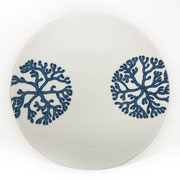
Amakusa ware (called Amakusa Tojiki in Japanese) is a form of pottery or porcelain baked in the Amakusa region of Kumamoto prefecture. The name was newly applied when the craft was designated as a national traditional craft. In Amakusa, where high…
View more
-
Kamo traditional chest Kamo kiri tansu
- Wood, bamboo crafts
- Niigata
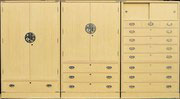
Kamo Kiri Tansu are chests of drawers made of paulownia wood that are produced in and around the city of Kamo, Niigata prefecture. Today, a majority of all paulownia chests made in Japan are produced in Kamo. This craft can keep clothes safe from …
View more
-
Kyo wood joinery Kyo sashimono
- Wood, bamboo crafts
- Kyoto

Kyo Sashimono is a kind of wood joinery produced in the prefecture of Kyoto. Sashimono is a collective name for furniture and furnishings assembled with wood joints that originates from the process of measuring with a monosashi or woodwork ruler. …
View more
-
Kyo-komon textiles Kyo komon
- Dyed textiles
- Kyoto
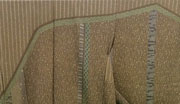
Kyo Komon are fine-patterned textiles produced in Kyoto prefecture. Kyoto, a historical center of dyed textiles, is renowned for its superb fabrics resulting from exceptional dyeing and stencil making. This craft has beautifully elegant colored pa…
View more
-
Miyakonojo archery bows Miyakonojo daikyu
- Wood, bamboo crafts
- Miyazaki
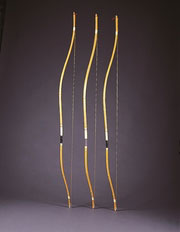
Miyakonojo Bows (called Miyakonojo Daikyu in Japanese) are bamboo archery bows produced in Miyakonojo, Miyazaki prefecture. The Miyakonojo area is known for growing high quality bamboo and has produced a variety of weapons like wooden swords as w…
View more
-
Osaka carved wooden panel Osaka ranma
- Wood, bamboo crafts
- Osaka
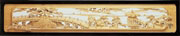
Osaka Transoms (called Osaka Ranma in Japanese) are transoms produced in and around the cities of Osaka, Kishiwada, and Suita in Osaka prefecture. In a Japanese-style house, transoms are wooden panels attached between the ceilings and lintels of t…
View more
-
Miyajima woodwork Miyajima zaiku
- Wood, bamboo crafts
- Hiroshima
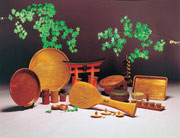
Miyajima Woodwork (called Miyajima zaiku in Japanese) are woodwork products made in Miyajima, Hatsukaichi, Hiroshima prefecture. Miyajima Island, one of the Three Views of Japan*, has long been nicknamed the "Island of Gods", while Hatsu…
View more
-
Nibutani carved wooden tray Nibutani ita
- Wood, bamboo crafts
- Hokkaido
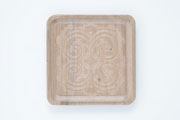
Nibutani Carved Wooden Trays (called Nibutani ita in Japanese) are produced in Biratori, Hokkaido. The origin of the town name, is an Ainu language word for cliff, pirauturu. This craft is known for its patterns like a spiral pattern called moreun…
View more
-
Arimatsu tie-dyeing Arimatsu narumi shibori
- Dyed textiles
- Aichi
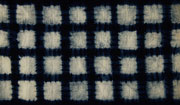
Arimatsu Narumi Shibori is a tie-dye fabric produced in the area surrounding Nagoya, Aichi prefecture. Many of the tie-dye products in Japan are produced here. The tie-dye products are designated as a traditional national craft. Arimatsu Narumi Sh…
View more
-
Okuaizu Basketry Oku aizu amikumi zaiku
- Wood, bamboo crafts
- Fukushima
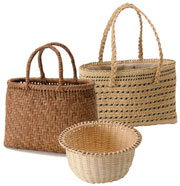
Okuaizu Basketry, called Okuaizu Amikumi Zaiku in Japanese, is basketry produced around Mishima Town, Onuma County, Fukushima Prefecture. As this mountainous area in the Okuaizu region has much snow and farmers are unable to work in the fields in …
View more
-
Ryukyu traditional textiles Ryukyu bingata
- Dyed textiles
- Okinawa
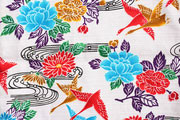
Ryukyu Bingata is a dyed and woven textile produced around Shuri, Okinawa prefecture. Its origin goes back to the 14th to 15th century. The ladies of the royal family or the families of the warrior class wore Ryukyu Bingata. There are two kinds of…
View more
-
Seto-sometsuke ware Seto sometsuke yaki
- Ceramic
- Aichi
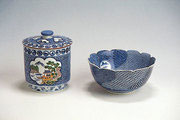
Seto Sometsuke ware (called Seto Sometsuke yaki in Japanese) is ceramic ware produced near the cities of Seto and Owariasahi in Aichi prefecture. The term sometsuke is normally used when designs are painted on porcelain with an indigo blue pigment…
View more
-
Echizen traditional chest Echizen tansu
- Wood, bamboo crafts
- Fukui
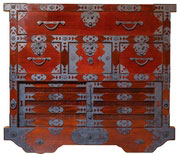
Echizen Tansu are lacquer coated chests of drawers made around Echizen City and Sabae City of Fukui Prefecture. They are mainly made of Japanese zelkova and paulownia, and decorated with iron fittings and lacquer. Japanese zelkova is a hard wood w…
View more
-
Kasukabe traditional paulownia chest Kasukabe kiri tansu
- Wood, bamboo crafts
- Saitama
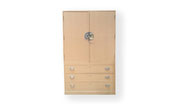
Kasukabe traditional paulownia chests, called Kasukabe Kiri-tansu in Japanese, are traditional woodwork made around Saitama City and Kasukabe City, Saitama Prefecture. Kasukabe Kiri-tansu are distinguished by their simple design based on the strai…
View more
-
Katsuyama bamboo crafts Katsuyama take zaiku
- Wood, bamboo crafts
- Okayama
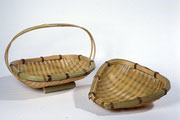
Katsuyama Take Zaiku are bamboo baskets produced in Maniwa City, Okayama Prefecture. Bamboo ware products are made in many areas across Japan from a variety of bamboos such as thick stemmed bamboo and black bamboo. However, Japanese timber bamboo …
View more
