


Okinawa
- Sort by
- Popularity
- Name
-
Kamo traditional chest Kamo kiri tansu
- Wood, bamboo crafts
- Niigata
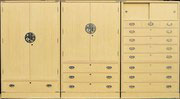
Kamo Kiri Tansu are chests of drawers made of paulownia wood that are produced in and around the city of Kamo, Niigata prefecture. Today, a majority of all paulownia chests made in Japan are produced in Kamo. This craft can keep clothes safe from …
View more
-
Nagoya Buddhist altar Nagoya butsudan
- Household Buddhist altars
- Aichi
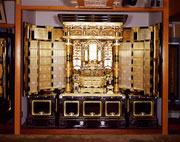
Nagoya Buddhist Altars (called Nagoya Butsudan in Japanese) are produced around the city of Nagoya, Aichi prefecture. Usually high grade trees such as Japanese cypress, zelkova, or sandalwood are used for the base. Nagoya Buddhist Altars have a hi…
View more
-
Owari Cloisonné Owari shippo
- Other crafts
- Aichi

Owari Cloisonné (called Owari Shippo in Japanese) is a type of enamelware, produced in Ama and Nagoya, Aichi prefecture, that is decorated with vibrant colorful designs often depicting natural scenery or the beauty of nature. The name shippo refer…
View more
-
Kanazawa Buddhist altar Kanazawa butsudan
- Household Buddhist altars
- Ishikawa
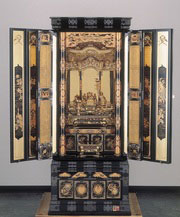
Kanazawa Buddhist Altars (called Kanazawa Butsudan in Japanese) are made in Kanazawa, Ishikawa prefecture. In the past, Ishikawa was an incredibly wealthy province called Kaga. This wealth was reflected in the rich Kaga culture of luxurious crafts…
View more
-
Murakami carved lacquerware Murakami kibori tsuishu
- Lacquerware
- Niigata
Murakami Carved Lacquerware (called Murakami Kibori Tsuishu in Japanese) is produced in the area around Murakami, Niigata prefecture. The region, which was formerly the Murakami domain, has been famous for its production of natural lacquer since t…
View more
-
Tsubame-tsuiki copperware Tsubame tsuiki doki
- Metal works
- Niigata
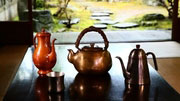
Tsubame-tsuiki Copperware (called Tsubame Tsuiki Douki in Japanese) is a type of metalware made on the outskirts of Tsubame, Niigata prefecture. Since the middle of the Edo period (1603-1868), kettles and other crafts have been produced from coppe…
View more
-
Arimatsu tie-dyeing Arimatsu narumi shibori
- Dyed textiles
- Aichi
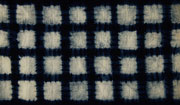
Arimatsu Narumi Shibori is a tie-dye fabric produced in the area surrounding Nagoya, Aichi prefecture. Many of the tie-dye products in Japan are produced here. The tie-dye products are designated as a traditional national craft. Arimatsu Narumi Sh…
View more
-
Ise paper stencil printing Ise katagami
- Industrial art materials and tools
- Mie
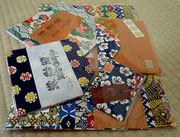
The Japanese name of Ise Paper Stencil Printing is Ise Katagami. Katagami means paper stencil. Today this craft is mostly produced in the city of Suzuka in Mie prefecture. They are an important part of textile dyeing. For many years, such stencils…
View more
-
Kaga embroidery Kaga nui
- Other textiles
- Ishikawa
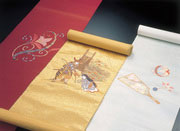
Kaga Embroidery (Kaga-nui in Japanese) is traditional embroidery produced in the city of Kanazawa, Ishikawa prefecture, using a variety of threads such as colorful silk threads, luxurious gold and silver threads, and lacquered threads. Kaga-nui is…
View more
-
Mikawa Buddhist altar Mikawa butsudan
- Household Buddhist altars
- Aichi
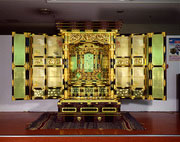
Mikawa Buddhist Altars, called Mikawa Butsudan in Japanese, are made in the Mikawa area of Okazaki, Aichi prefecture. In the region, as it was a custom to place a Buddhist altar in the closet, there were demands to make the pedestal of the altar l…
View more
-
Ryukyu traditional textiles Ryukyu bingata
- Dyed textiles
- Okinawa
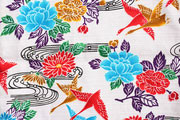
Ryukyu Bingata is a dyed and woven textile produced around Shuri, Okinawa prefecture. Its origin goes back to the 14th to 15th century. The ladies of the royal family or the families of the warrior class wore Ryukyu Bingata. There are two kinds of…
View more
-
Seto-sometsuke ware Seto sometsuke yaki
- Ceramic
- Aichi
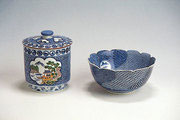
Seto Sometsuke ware (called Seto Sometsuke yaki in Japanese) is ceramic ware produced near the cities of Seto and Owariasahi in Aichi prefecture. The term sometsuke is normally used when designs are painted on porcelain with an indigo blue pigment…
View more
-
Echigo-sanjo cutlery Echigo sanjo uchihamono
- Metal works
- Niigata
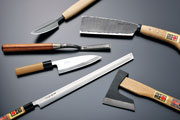
Echigo-Sanjo Uchihamono are hammer-forged blades produced in Sanjo City, Niigata prefecture. Unlike modern blades made using the stamp pressing and polishing techniques developed after the second world war, these blades are produced by hand-hammer…
View more
-
Kijoka banana fiber cloth Kijoka no bashofu
- Woven textiles
- Okinawa
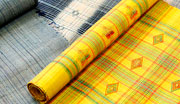
Kijoka no Bashofu are a woven cloth produced in Kijoka, Ogimi Village in northern Okinawa. Bashofu is made from the fibers of the Japanese banana plant called Basho, and has been used to make kimonos in Okinawa since ancient times. Kijoka no Basho…
View more
-
Nanao Buddhist altar Nanao butsudan
- Household Buddhist altars
- Ishikawa
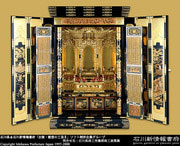
Nanao Buddhist Altars called Nanao Butsudan in Japanese, are Buddhist altars produced in Nanao City, Ishikawa Prefecture. As part of the Hokuriku region where the Buddhist sect Jodo Shinshu became widely spread long ago, Ishikawa is home to many w…
View more
-
Tokamachi traditional resist-dyed textiles Tokamachi gasuri
- Woven textiles
- Niigata
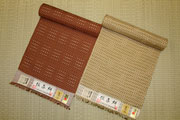
Tokamachi Gasuri is a fabric produced in Tokamachi City and around Tsunanmachi in Nakauonuma, Niigata Prefecture. This area has heavy snow in the winter and is in a basin, so the climate and geographical features are all suitable for fabric produc…
View more
-
Nagaoka Buddhist altar Nagaoka butsudan
- Household Buddhist altars
- Niigata
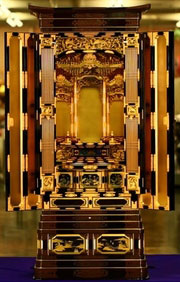
Nagaoka Butsudan are Buddhist altars and altar fittings produced in and around Nagaoka City, Niigata Prefecture. Using traditional techniques that were developed in the 17th century, they are also actively producing innovative designs that suit a …
View more
-
Nagoya kimono-dyeing Nagoya kuromontsuki zome
- Dyed textiles
- Aichi
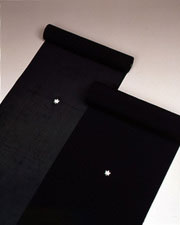
Nagoya Kuromontsuki Zome is a dyed and woven textile produced in the region surrounding Nagoya City, Aichi Prefecture. Kuromontsuki is a kimono worn at weddings or funerals and it has been popular since the Edo period (1603 - 1868) in Nagoya among…
View more
-
Nagoya traditional paulownia chest Nagoya kiri tansu
- Wood, bamboo crafts
- Aichi
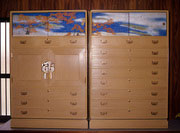
Nagoya traditional paulownia chests of drawers called Nagoya Kiri Tansu in Japanese, are masterpieces of traditional woodwork made in and around Kasugai City and Nagoya City, Aichi Prefecture. Nagoya Kiri Tansu are a traditional craftwork originat…
View more
-
Tokamachi akashi chijimi textiles Tokamachi akashi chijimi
- Woven textiles
- Niigata
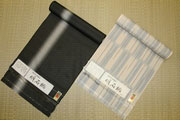
Tokamachi Akashi Chijimi is a textile produced in the area surrounding Tokamachi City in Niigata Prefecture. This is a very delicate and thin textile that requires the high-level techniques and precision of experienced craftsmen. An experimental t…
View more
-
Yonaguni brocade Yonaguni ori
- Woven textiles
- Okinawa
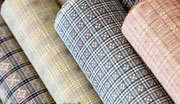
Yonaguni Brocade, called Yonaguni Ori in Japanese, is a textile produced in Yonaguni-cho, Yaeyama Gun, Okinawa Prefecture. The characteristic of Yonaguni Ori is the simple beauty of the textile that is dyed and woven by hand in the distinctive cli…
View more
-
Echigo-yoita cutlery Echigo yoita uchihamono
- Metal works
- Niigata
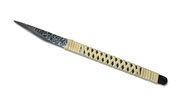
Echigo Yoita Uchihamono are blades produced for a variety of tools in the Yoita area of Nagaoka City, Niigata Prefecture. They are smith forged, meaning red-hot metal is beaten to shape, and are distinguished by their refined sharp cutting edge an…
View more
-
Okazaki stonemasonry Okazaki sekkohin
- Stonework
- Aichi
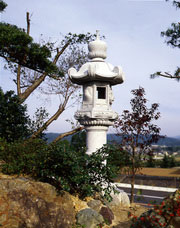
Okazaki Stonemasonry, called Okazaki Sekkouhin in Japanese, are stone crafts and gem carvings produced in the area around the city of Okazaki in Aichi prefecture. They are made using traditional masonry skills that were found and developed in the …
View more
-
Sanjo Buddhist altar Sanjo butsudan
- Household Buddhist altars
- Niigata
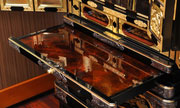
Sanjo Butsudan are Buddhist altars made in the Sanjo area, Niigata prefecture. They are golden altars with well-established characteristics of elegance and dignity. Sanjo Butsudan is characterized by the orthodox design of an inner sanctuary, qual…
View more
-
Yuntanza minsa Yomitanzan minsa
- Woven textiles
- Okinawa
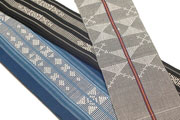
Yuntanza Minsa is a textile produced in the region around Yomitanson, Nakagami-gun, Okinawa prefecture. Min means "cotton" and sa means "narrow belt". Narrow belts were made in various regions in Okinawa from ancient times. Bas…
View more
-
Flower pattern textiles Haebaru hanaori
- Woven textiles
- Okinawa
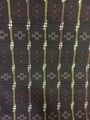
Haebaru flower patterned textiles called Haebaru Hanaori in Japanese, are made in the city of Haebaru in the Okinawa Prefecture. Plants harvested in the prefecture such as garcinia or Assam indigo are used to dye the yarns. Haebaru Hanaori can be …
View more
-
Nagoya Sekku Kazari Nagoya Sekku Kazari
- Other crafts
- Aichi
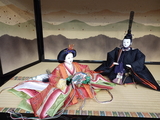
Nagoya Sekku Kazari (festival dolls and decorations) are decorations that are essential for festivals to celebrate the birth of a child and wish for the child's healthy growth. The Sekku Kazari consist of three crafts; dolls, celebratory fla…
View more
-
Niigata-shirone Buddhist altar Niigata shirone butsudan
- Household Buddhist altars
- Niigata
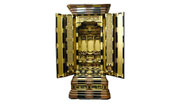
Niigata Shirone Butsudan are Buddhist altars which are mainly made in Niigata city, Niigata prefecture. Japanese cypress, zelkova, Japanese cherry, Japanese white pine and pine are usually used for the altar base. Niigata Shirone Butsudan is chara…
View more
-
Owari Buddhist altar equipment Owari butsugu
- Household Buddhist altars
- Aichi

Owari Buddhist altar equipment is made in Nagoya and neighboring cities in Aichi prefecture called the Owari suburbs. Owari Buddhist altar equipment was first founded as a religious craft by the missionaries of the forefather of the Jodo-shinshu s…
View more
-
Sado Mumyoi Ware Sado mumyoi yaki
- Ceramic
- Niigata

Mumyoi Ware is a pottery that has been passed down for generations in Sado, Niigata. Mumyoi is made of the minerals containing iron oxide found in the quartzites of the Sado Gold Mine. It is said to have been used as medicine for hemostasis and pa…
View more
