


Woven textiles and more
- Sort by
- Popularity
- Name
-
Yomitanzan-hanaori textiles Yomitanzan hanaori
- Woven textiles
- Okinawa
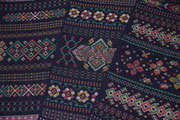
Yomitanzan hanaori is a textile produced in the village of Yomitan, Okinawa. The threads of this craft are first dyed before being woven in a geometric, flowerlike design. This craft is woven with silk or cotton threads dyed with plant-based dyes …
View more
-
Hikone Buddhist altar Hikone butsudan
- Household Buddhist altars
- Shiga

Hikone Buddhist Altars (called Hikone Butsudan in Japanese) are produced in the city of Hikone, Shiga prefecture. Using luxurious materials in altar bodies which are usually larger than 121.2 cm, this craft is synonymous with high-grade Buddhist a…
View more
-
Iiyama Buddhist altar Iiyama butsudan
- Household Buddhist altars
- Nagano
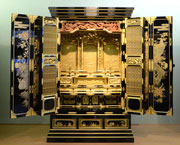
Iiyama Buddhist Altars, called Iiyama Butsudan in Japanese, are made around the city of Iiyama, Nagano prefecture. Iiyama is known for its people being devout to Buddhism since ancient times, which sustains the tradition of altar production. This …
View more
-
Kyo-komon textiles Kyo komon
- Dyed textiles
- Kyoto
Kyo Komon are fine-patterned textiles produced in Kyoto prefecture. Kyoto, a historical center of dyed textiles, is renowned for its superb fabrics resulting from exceptional dyeing and stencil making. This craft has beautifully elegant colored pa…
View more
-
Nagoya Buddhist altar Nagoya butsudan
- Household Buddhist altars
- Aichi
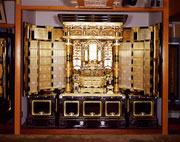
Nagoya Buddhist Altars (called Nagoya Butsudan in Japanese) are produced around the city of Nagoya, Aichi prefecture. Usually high grade trees such as Japanese cypress, zelkova, or sandalwood are used for the base. Nagoya Buddhist Altars have a hi…
View more
-
Isesaki traditional resist-dyed textiles Isesaki kasuri
- Woven textiles
- Gunma
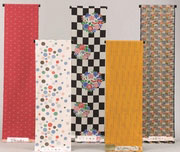
Isesaki Kasuri is a type of woven fabric produced in Isesaki, Gunma prefecture. Mainly used for kimono, this fabric has been admired for its texture since ancient times. Today, neckties and shop curtains called noren in Japanese are also produced.…
View more
-
Kanazawa Buddhist altar Kanazawa butsudan
- Household Buddhist altars
- Ishikawa
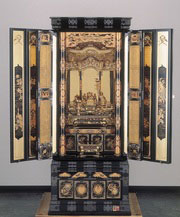
Kanazawa Buddhist Altars (called Kanazawa Butsudan in Japanese) are made in Kanazawa, Ishikawa prefecture. In the past, Ishikawa was an incredibly wealthy province called Kaga. This wealth was reflected in the rich Kaga culture of luxurious crafts…
View more
-
Kawanabe Buddhist altar Kawanabe butsudan
- Household Buddhist altars
- Kagoshima
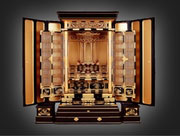
Kawanabe Buddhist Altars (called Kawanabe Butsudan in Japanese) are made in the Kawanabe area of Minamikyushu, Kagoshima prefecture. There is a specific type of altar called gamado that is unique to this craft. Gama means cave in the Kagoshima dia…
View more
-
Kyo Buddhist altar Kyo butsudan
- Household Buddhist altars
- Kyoto

Kyo Buddhist Altars (called Kyo Butsudan in Japanese) are produced in the cities of Kyoto and Kameoka in Kyoto. Most Kyo Buddhist Altars are made for temples instead of households. They are professionally handcrafted by a number of respective expe…
View more
-
Arimatsu tie-dyeing Arimatsu narumi shibori
- Dyed textiles
- Aichi
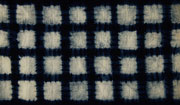
Arimatsu Narumi Shibori is a tie-dye fabric produced in the area surrounding Nagoya, Aichi prefecture. Many of the tie-dye products in Japan are produced here. The tie-dye products are designated as a traditional national craft. Arimatsu Narumi Sh…
View more
-
Hachio island silk Honba kihachijo
- Woven textiles
- Tokyo
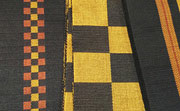
Honba Island Silk (called Honba Kihachijo in Japanese) is produced on Hachijojima Island in Tokyo. The name of this craft derives from a silk fabric with stripe and check patterns mainly dyed in bright yellow called kihachi. Patterns mainly dyed i…
View more
-
Hiroshima Buddhist altar Hiroshima butsudan
- Household Buddhist altars
- Hiroshima
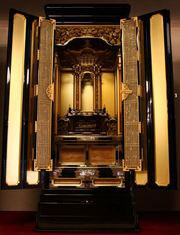
Hiroshima Butsudan are golden Buddhist altars mainly produced in Hiroshima City, Hiroshima Prefecture. The Buddhist sect, Jodo Shinshu has been widely worshipped in Hiroshima since ancient times, and many golden altars recommended by the sect were…
View more
-
Mikawa Buddhist altar Mikawa butsudan
- Household Buddhist altars
- Aichi
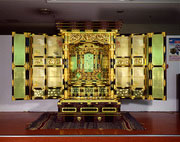
Mikawa Buddhist Altars, called Mikawa Butsudan in Japanese, are made in the Mikawa area of Okazaki, Aichi prefecture. In the region, as it was a custom to place a Buddhist altar in the closet, there were demands to make the pedestal of the altar l…
View more
-
Nibutani bark cloth Nibutani attoushi
- Woven textiles
- Hokkaido
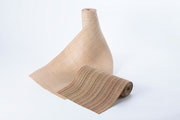
Nibutani Bark Cloth (called Nibutani-attushi in Japanese) is a bark fiber fabric produced in the region surrounding the the town of Biratori, Hokkaido. The term Nibutani originates from niputai which is an Ainu (indigenous people of north Japan) l…
View more
-
Ryukyu traditional textiles Ryukyu bingata
- Dyed textiles
- Okinawa
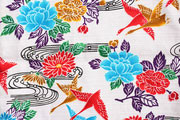
Ryukyu Bingata is a dyed and woven textile produced around Shuri, Okinawa prefecture. Its origin goes back to the 14th to 15th century. The ladies of the royal family or the families of the warrior class wore Ryukyu Bingata. There are two kinds of…
View more
-
Uetsu tilia bark cloth Uetsu shinafu
- Woven textiles
- Yamagata
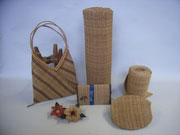
Uetsu Shinafu is a textile produced in the area of Sekikawa, Tsuruoka, Yamagata prefecture, and Sanpoku, Murakami, Niigata prefecture. The names of the neighboring prefectures of Yamagata (Uzen) and Niigata (Echigo) are combined and called Uetsu, …
View more
-
Kyo Buddhist altar equipment Kyo butsugu
- Household Buddhist altars
- Kyoto
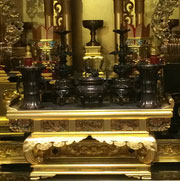
Kyo Butsugu are Buddhist altars and altar fittings made in Kyoto. Studded with temples of various sects, Kyoto has always prospered as the center of Buddhism, inevitably leading to increasing demand for altar fittings for memorial services. 80% of…
View more
-
Awa-shijira cotton cloth Awa shoai shijira ori
- Woven textiles
- Tokushima

Awa Shoai Shijira Ori is a cotton textile produced in Tokushima City, Tokushima Prefecture. Shijira Ori had been produced in Awa since the 18th century, and the Shijira Ori dyed with Awa indigo was referred to as Awa Shoai Shijira Ori. It was desi…
View more
-
Kijoka banana fiber cloth Kijoka no bashofu
- Woven textiles
- Okinawa
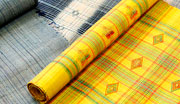
Kijoka no Bashofu are a woven cloth produced in Kijoka, Ogimi Village in northern Okinawa. Bashofu is made from the fibers of the Japanese banana plant called Basho, and has been used to make kimonos in Okinawa since ancient times. Kijoka no Basho…
View more
-
Nanao Buddhist altar Nanao butsudan
- Household Buddhist altars
- Ishikawa
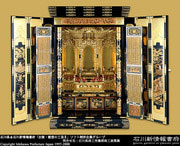
Nanao Buddhist Altars called Nanao Butsudan in Japanese, are Buddhist altars produced in Nanao City, Ishikawa Prefecture. As part of the Hokuriku region where the Buddhist sect Jodo Shinshu became widely spread long ago, Ishikawa is home to many w…
View more
-
Tokamachi traditional resist-dyed textiles Tokamachi gasuri
- Woven textiles
- Niigata
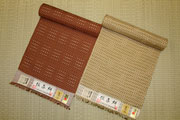
Tokamachi Gasuri is a fabric produced in Tokamachi City and around Tsunanmachi in Nakauonuma, Niigata Prefecture. This area has heavy snow in the winter and is in a basin, so the climate and geographical features are all suitable for fabric produc…
View more
-
Tokyo textiles Tokyo tegaki yuzen
- Dyed textiles
- Tokyo

Tokyo Tegaki Yuzen are kimono textiles produced in Shinjuku Ward, Nerima Ward and Nakano Ward, Tokyo. Having been produced in the townsmen culture of Edo (current Tokyo), a refined stylishness is expressed in its soft, subdued colors. Unlike other…
View more
-
Yamagata Buddhist altar Yamagata butsudan
- Household Buddhist altars
- Yamagata
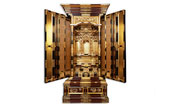
Yamagata Butsudan are Buddhist altars mainly made in Yamagata City, Tendo City, Obanazawa City, and Sakata City, Yamagata Prefecture, which distinguishes the prefecture as the largest center of altar production in the Tohoku region. Kichibei HOSHI…
View more
-
Yame-fukushima Buddhist altar Yame fukushima butsudan
- Household Buddhist altars
- Fukuoka
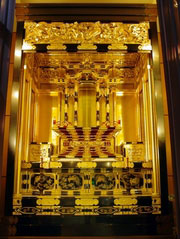
Yame Fukushima Butsudan are Buddhist altars made in Yame City (former Fukushima Town), Fukushima Prefecture. Dotted with many temples, the Yame region had been a place where there were many devout Buddhists since ancient times, which supported the…
View more
-
Kyo dyed textiles Kyo kanoko shibori
- Dyed textiles
- Kyoto
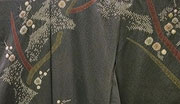
Kyo Kanoko Shibori is a dyed textile produced in Kyoto Prefecture. Shibori is one of the tie-dye techniques that create patterns by tying the textile before dyeing so that the tied parts remain white. This particular Shibori resembles fawn spots a…
View more
-
Nagaoka Buddhist altar Nagaoka butsudan
- Household Buddhist altars
- Niigata
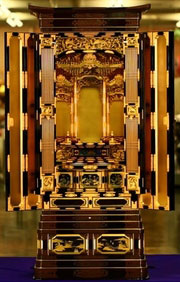
Nagaoka Butsudan are Buddhist altars and altar fittings produced in and around Nagaoka City, Niigata Prefecture. Using traditional techniques that were developed in the 17th century, they are also actively producing innovative designs that suit a …
View more
-
Nagoya kimono-dyeing Nagoya kuromontsuki zome
- Dyed textiles
- Aichi
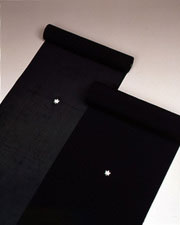
Nagoya Kuromontsuki Zome is a dyed and woven textile produced in the region surrounding Nagoya City, Aichi Prefecture. Kuromontsuki is a kimono worn at weddings or funerals and it has been popular since the Edo period (1603 - 1868) in Nagoya among…
View more
-
Tokamachi akashi chijimi textiles Tokamachi akashi chijimi
- Woven textiles
- Niigata
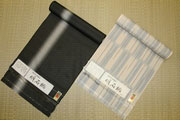
Tokamachi Akashi Chijimi is a textile produced in the area surrounding Tokamachi City in Niigata Prefecture. This is a very delicate and thin textile that requires the high-level techniques and precision of experienced craftsmen. An experimental t…
View more
-
Yonaguni brocade Yonaguni ori
- Woven textiles
- Okinawa
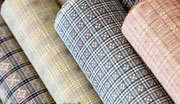
Yonaguni Brocade, called Yonaguni Ori in Japanese, is a textile produced in Yonaguni-cho, Yaeyama Gun, Okinawa Prefecture. The characteristic of Yonaguni Ori is the simple beauty of the textile that is dyed and woven by hand in the distinctive cli…
View more
-
Kyo kimono-dyeing Kyo kuromontsuki zome
- Dyed textiles
- Kyoto

Kyo Kuromontsuki Zome is a dyed fabric produced in the areas including Kyoto city and Kameoka city in Kyoto prefecture. The characteristic of Kyo Kuromontsuki Zome is its high quality and graceful black color. The kimonos that are worn for funeral…
View more
